Guess who’s back …. Back again. Fi is back. Tell a friend! (sing it to the Eminem tune to get the full effect).
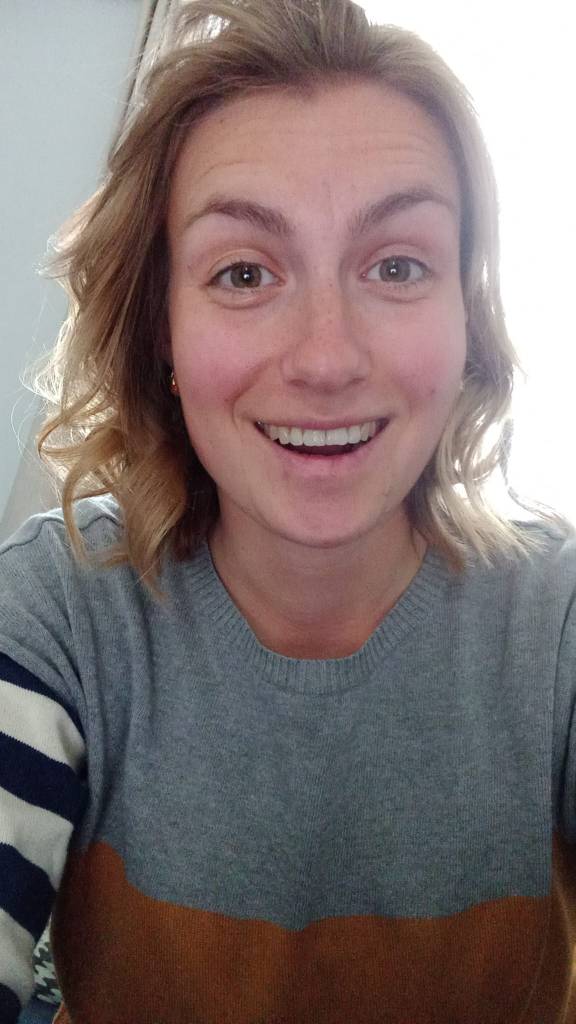
After a whopping 4 years of not writing on Far Away Fi, I can say it was time to return. I keep looking around as so many things have changed. I almost don’t recognize the place. I’ve thought about this moment a lot over the last few years. I never thought I’d be this emotional about it, either (picture me almost crying. Not quite with tears, just tearing up a little).
Oh, and don’t worry. I haven’t been sitting on my backside all these years. I have actually been traveling all over, though not as intensely as I was before. I worked for a while (yes, it’s true, Far Away Fi had a job!!) and I recently graduated from yet another master’s degree (some things never change). Oh, and I live in London now. Oh, AND I GOT A DOG!! I’m sure everyone here knows Foxy, as she’s the only thing I talk about these days.

So, now we are here, in the year 2022. The year of post-covid travel. The year we lost Hagrid (rest in peace) and the year of the first African Parks Next Generation Circle Trip (yikes, that’s a mouthful, isn’t it). For those not familiar with AP’s works: shame on you. Why do we even know each other? Why are you here? To all the others: congratulations, you passed the test.

To clarify: as the AP NGC (that’s sexy slang, isn’t it) we’re a group of young Africa-enthusiasts. We come together multiple times a year and we talk about all things Africa(n parks). It’s fun. You should join 😉.
Today, we’ll talk about just that – Africa.
Malawi
“From a distance, the lion is like the baboon.”
To be more specific, we’ll talk about Malawi, as that’s where the trip took us. And let’s face it, you’re all here for the juice on the trip, not to hear about my personal life over the last four years.

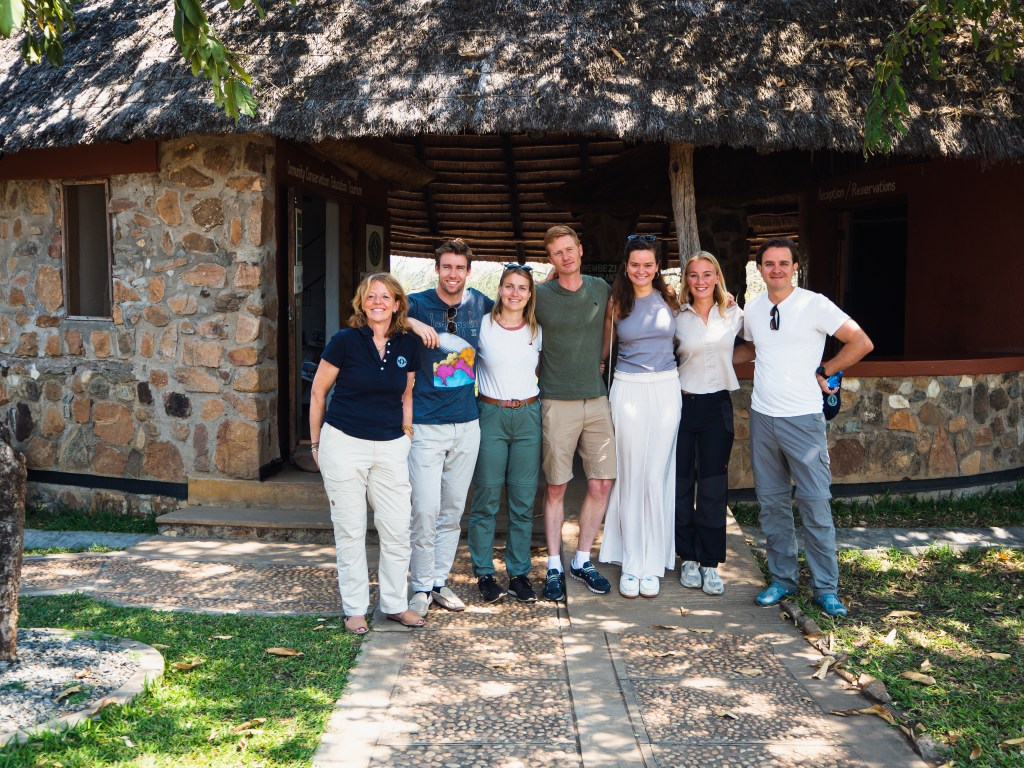
Before we get into the juice (and the cake), let me introduce the team. We were a group of 6 – small but sweet (just like cake). Sophie, Myrte, Georg, Tomas, Floris and myself. And then there was Sophie, our “mom” who got stuck taking care of us for a week.
Blantyre
Blantyre is an, uuhm, interesting place. We spent the day going to the Malawi Museum. This is again, uhm, interesting. There was some history about Malawi and some explanations of what earrings are. They’re decorative things to hang from one’s ears, just FYI.


The most educational part of the museum were the proverbs promoting AIDS/HIV prevention. I won’t waste any more words on this, I’ll just let you see for yourself; because you cannot eat your cake and have it. The end.


Majete Wildlife Reserve
“If you insult the crocodile, don’t go near the water.”
Let me just get a few things straight: this trip was great, but we were not here to relax and regain our strength. We were in Malawi to see the work of AP. In the parks, in the communities, in the field, EVERYWHERE. It was an intense week.
Now, this is where the real fun starts. And let’s face it: you’re not here to read about cake. Although we did have some before we left Blantyre.

Day 1 – Welcome to majete
We spent our time at Thawale Camp. Honestly, we were just there to eat and sleep. We arrived, and immediately had lunch with Mike, who runs the Honey with Heart project in Malawi. He explained how the project works, and how they train locals to use a specific kind of beehive to have optimal honey production. Locals then harvest and sell the honey to improve their quality of life.

After lunch, we immediately set off for a tour of the park office, where Rosie, Majete’s conservation manager, showed us around and told us all the details of Majete.
Majete was AP’s very first park back in 2003.
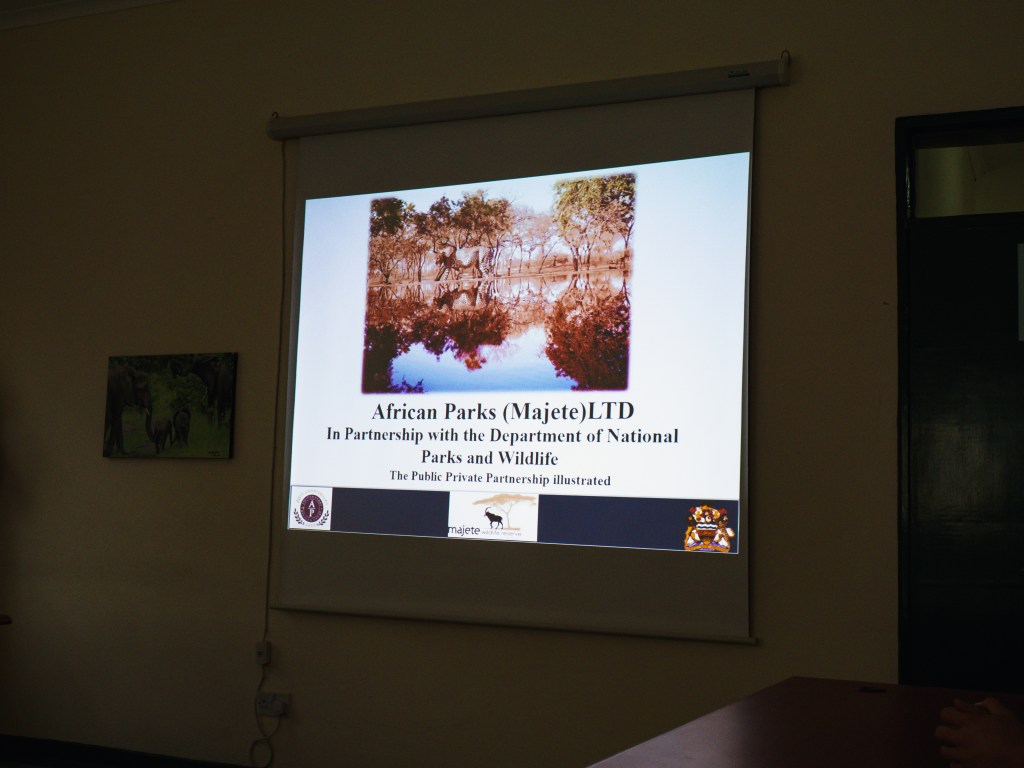
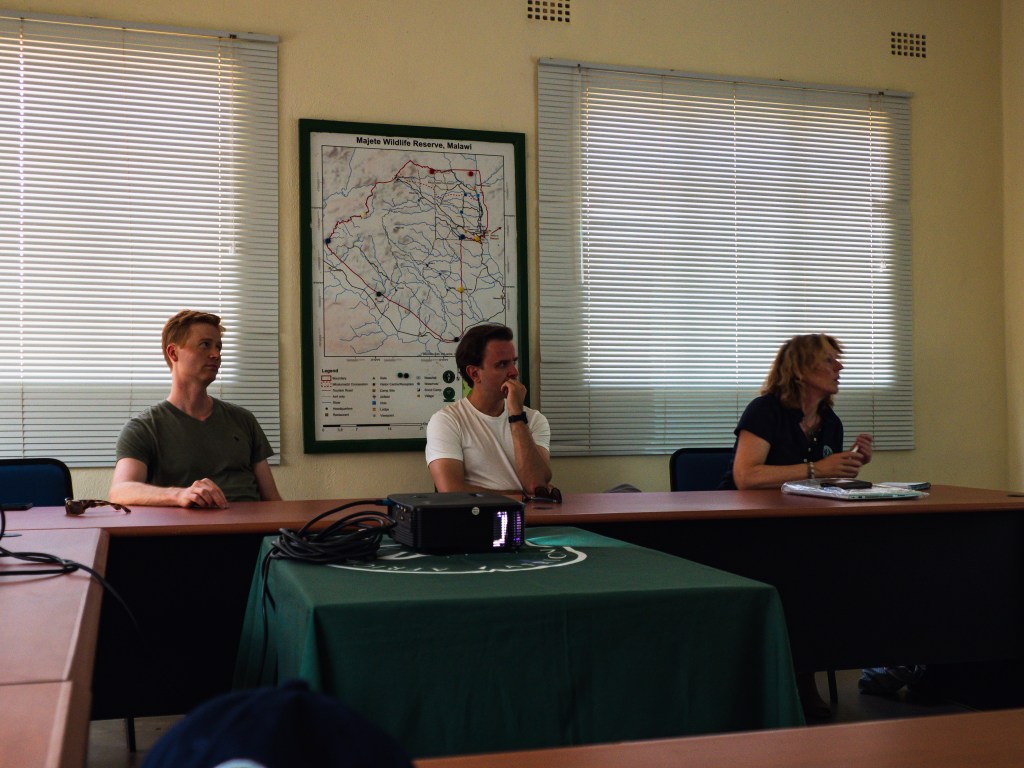

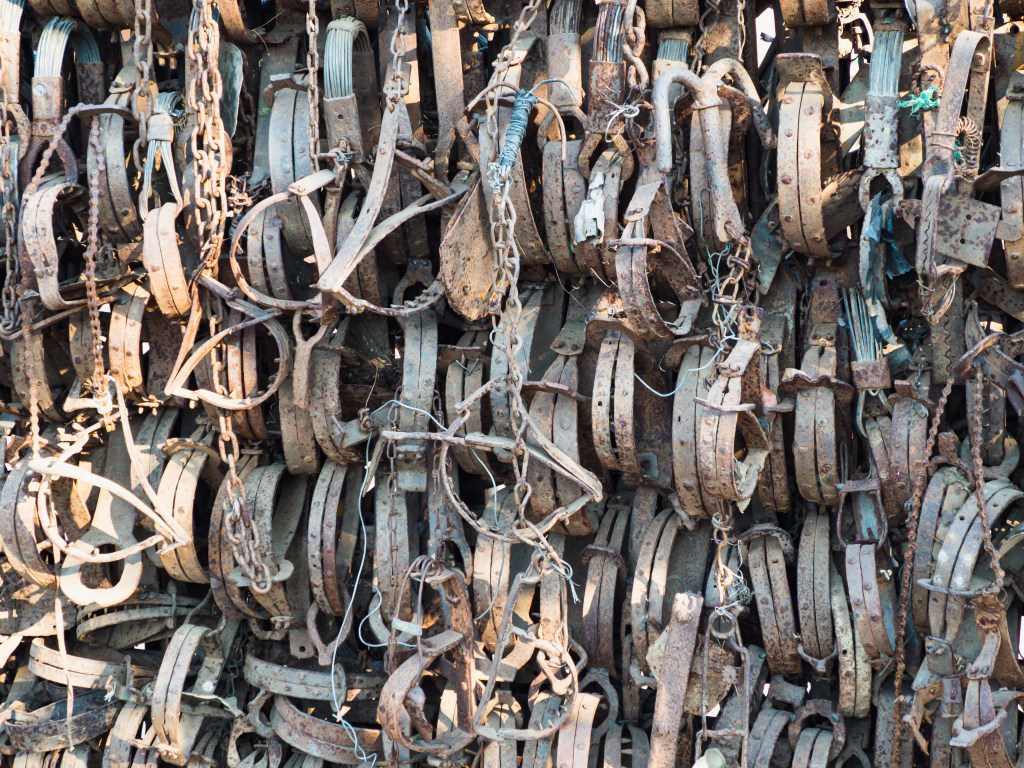
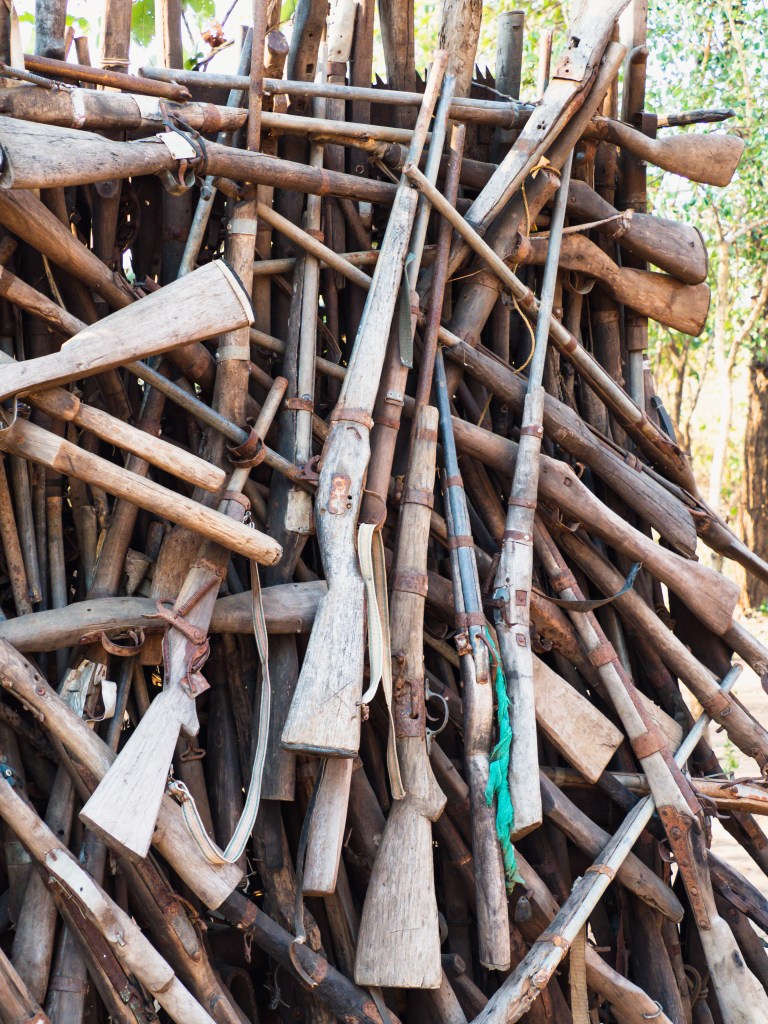
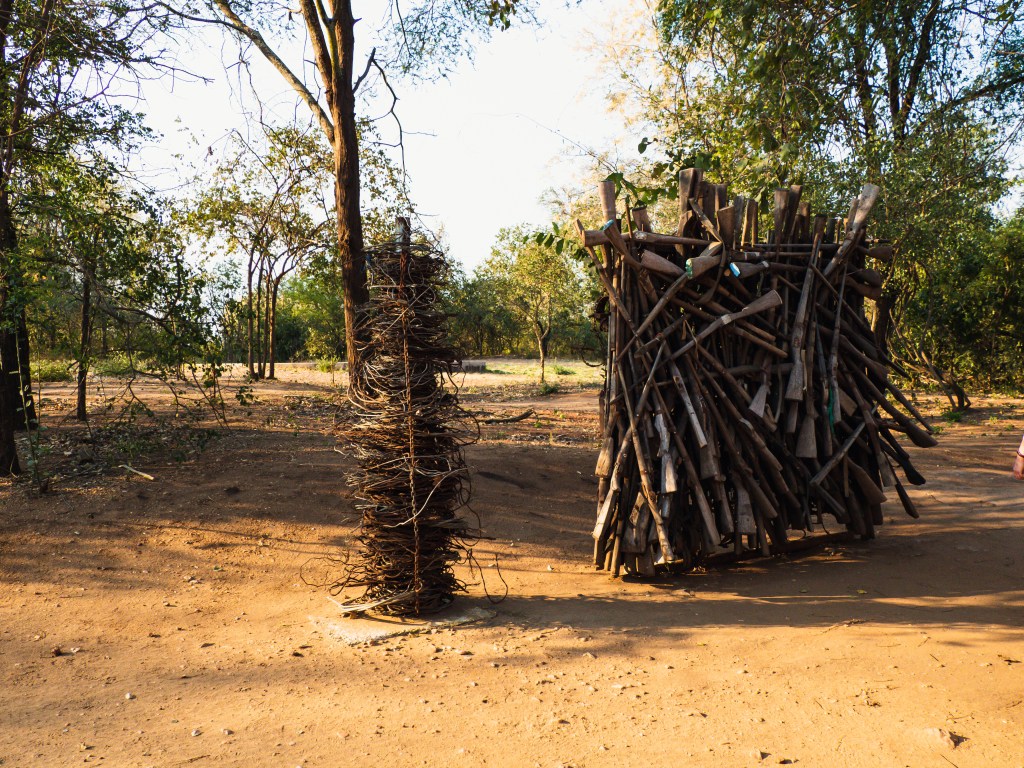
As you can see here, the park was not doing great. The main office showcases some of the snares that were found, as well as some of the weapons that were confiscated, both used for poaching. Wildlife was in an abysmal state in 2003, and 20 years later, as you’ll see later on, the wildlife at Majete is currently amazing.
We ended our day with a first game drive. The Majete bush did not disappoint. There was a range of animals, from kudu to impala to elephants. The highlight of the drive was by far the cheetah that was snacking on a recently caught impala. I don’t usually stare at people while they’re eating (unless they’re eating cake), but with cheetahs, it didn’t feel as strange.
Day 2 – Communities with Dixie
Every day is game drive day! And game drives are exactly that – a game. You never know how the game might turn out. This morning we set out to look for the African wild dogs, but alas, no success. The dogs won this game.
We set out to spend the day in the local communities. The six of us plopped into the back of Dixie’s car (Dixie is the community manager at Majete), with mum Sophie comfortable in the front. If you like massages, I can really recommend authentic African massage. You will not be disappointed.
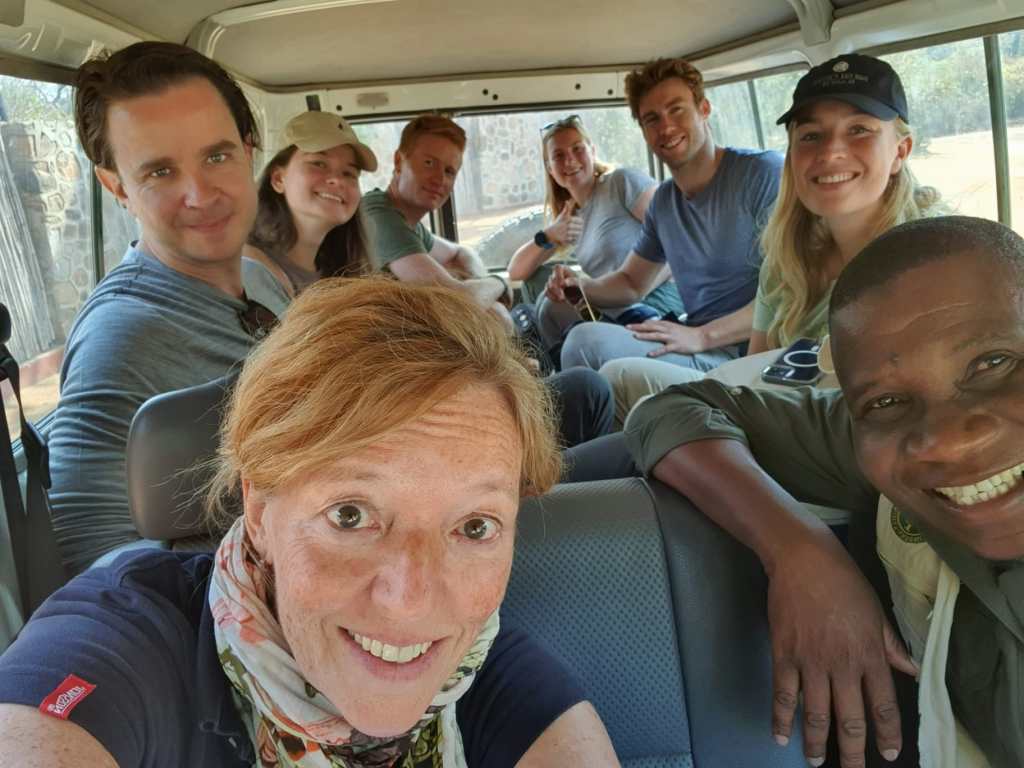
We made multiple community stops. A first stop is at a local village, where we were greeted in the most heartwarming way. The whole community was singing and dancing when we arrived. Such a warm way to be welcomed. We sat down with the chief, who explained to us how much the community relies on the park. AP helps them in so many ways they no longer see the need to poach from the park. The genuine feeling was one of gratitude towards Majete, a real treat to see and hear.


Hurricane Anna did quite some damage to Majete and its surroundings, and this community was not left untouched, either. Their fish farm had washed away because of the floods. AP was helping them set up a new farm, further away from the river (just to be a safe distance away from the water in case of another flood). As we walked around there was singing and dancing at all times. The chief proudly told us who worked at the fish farm and how they operate. Mostly, they told us how thankful they were.


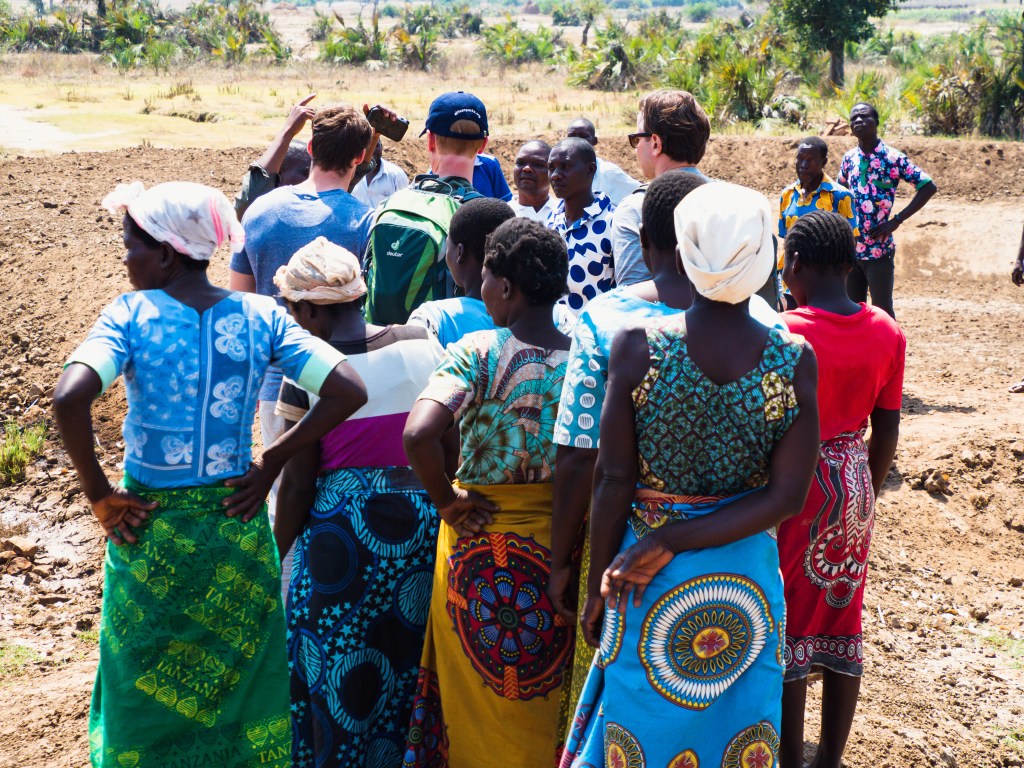

The next stop was a tree farm, where trees were grown and harvested for timber. They had some honey with heart beehives. Furthermore, they have a grass farm, to grow grass and give it to locals to be used in their houses (mostly for roofs). Not only do they make sure to provide for their families, but they also help and provide for their neighbours as well.

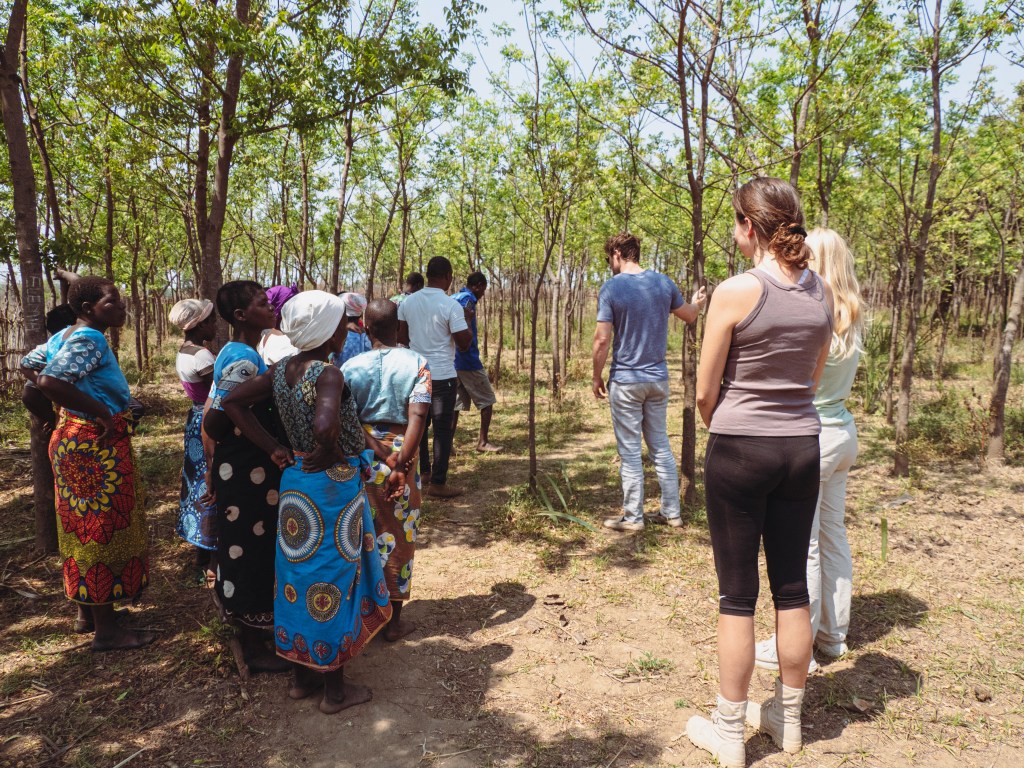
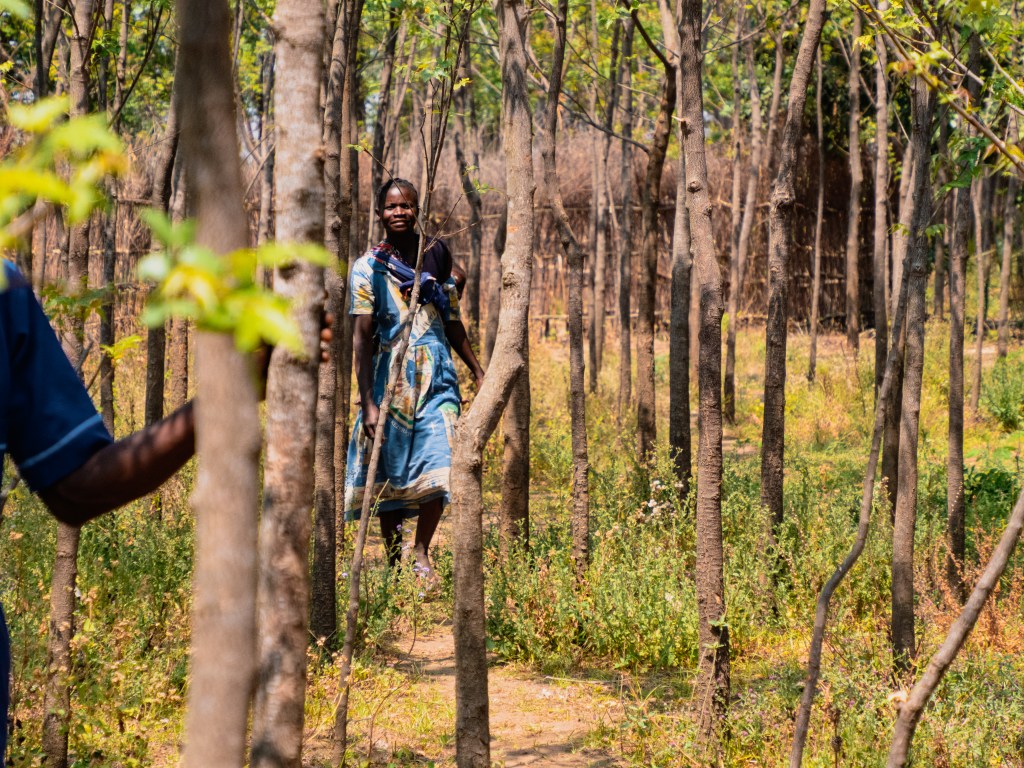
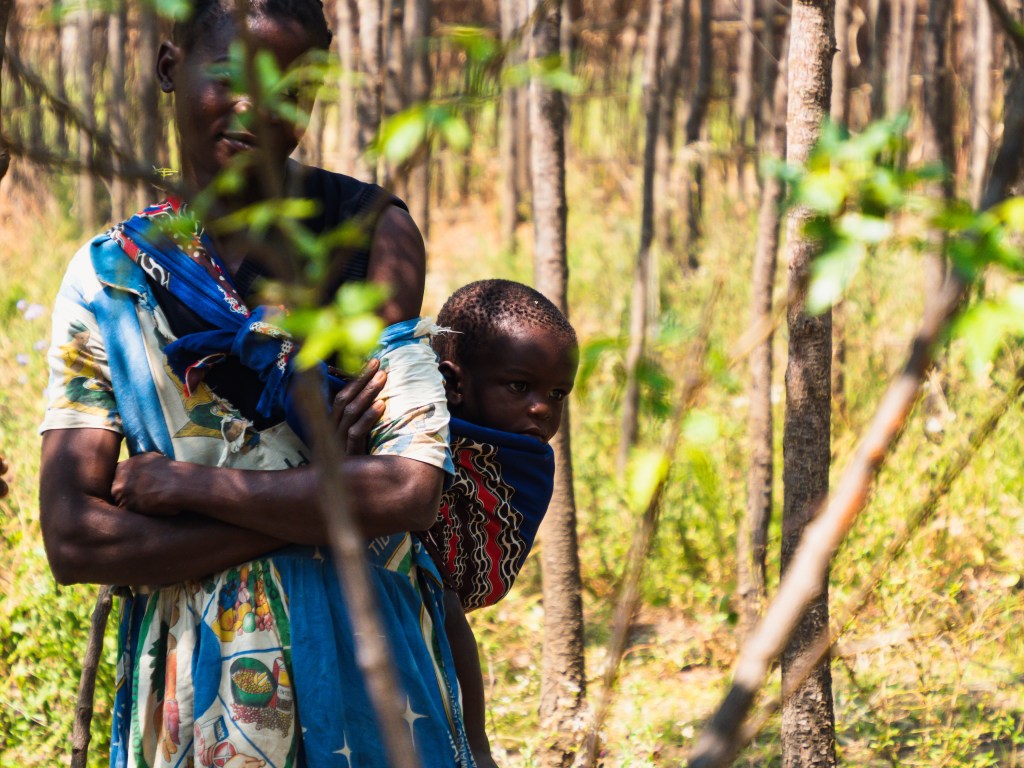


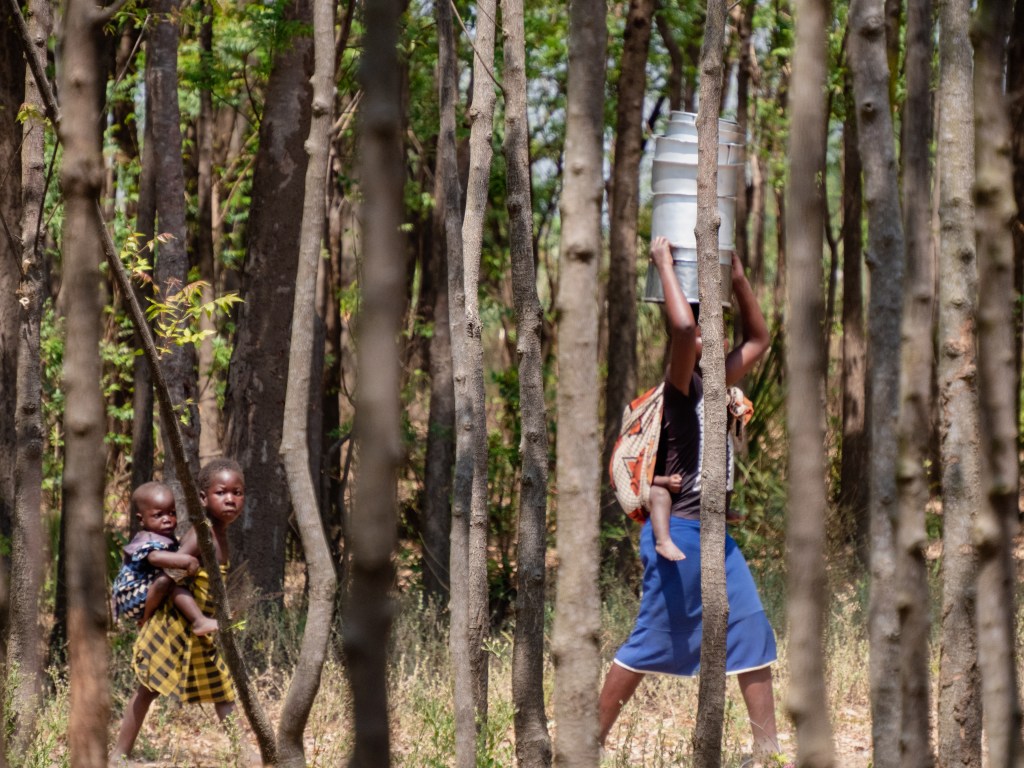



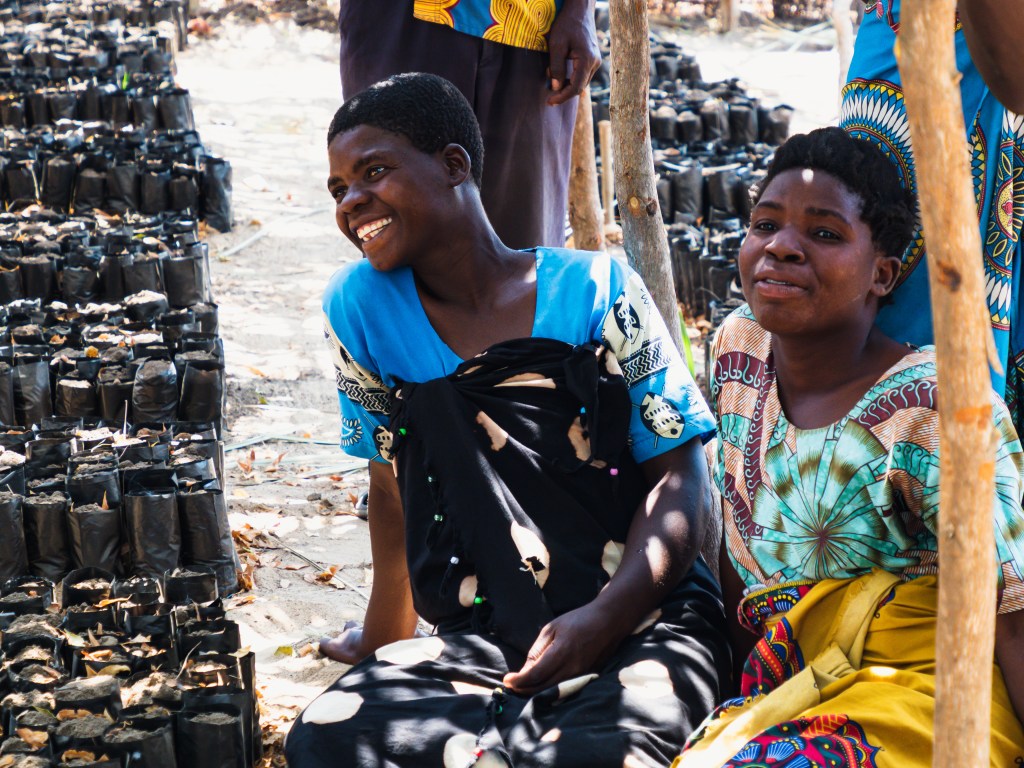
After our visit, there was more singing and dancing. So much so, that we weren’t quite sure what to do, other than join in. You’ll be happy to know that Myrte danced in her underwear and Floris brought out his best clapping skills. Okay so Myrte wasn’t actually in her underwear, just a pair of leggings. But apparently, that’s how locals see it when you don’t drape yourself in one of the traditional garments. So Myrte: no more underwear dancing when in Africa!
And that was our cue to leave – on to the next project. So we all climbed into Dixie’s sardine can and enjoyed an African massage to the next project.


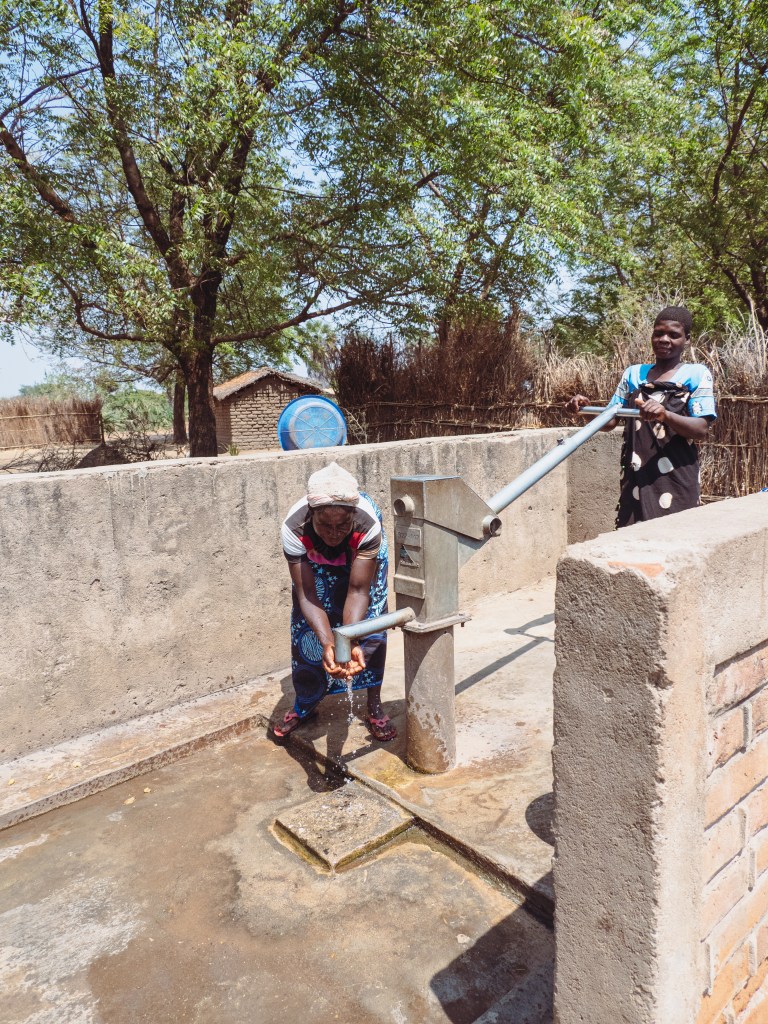
Our second stop of the day was an irrigation project. We were welcomed by the chief of this village as well. They showed us their new borehole, 26 m deep. Through the presence of water, they now had the option to plant and harvest crops all year round. One of the men told us that he was now able to sell his vegetables, which made it possible for him to buy goats and chickens. He was able to feed his family in an honest way, without the need to poach. Again, the main message was one of gratitude. It’s a real honor to visit these communities when they’re so proud to be a part of the AP journey, as are we.
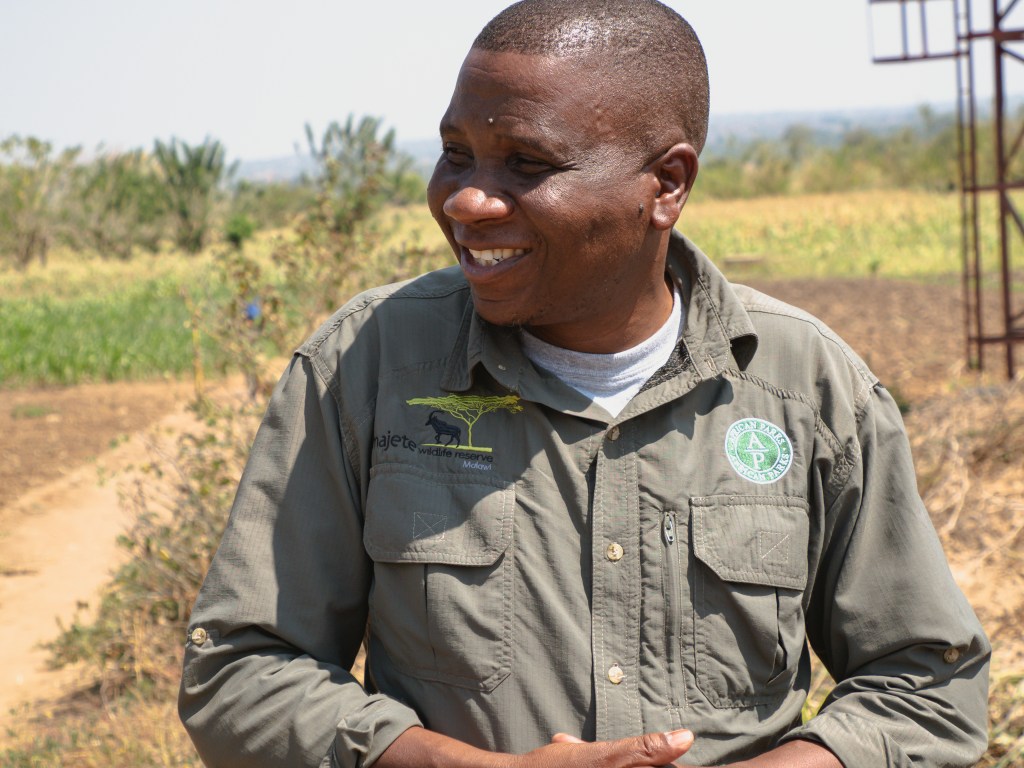

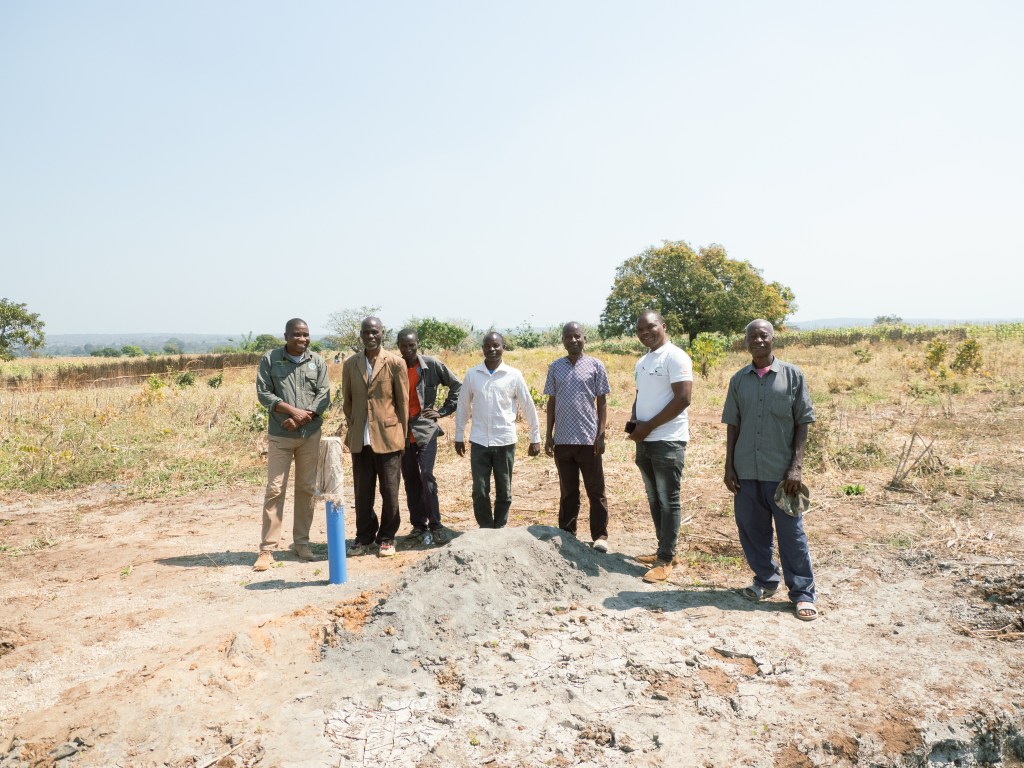


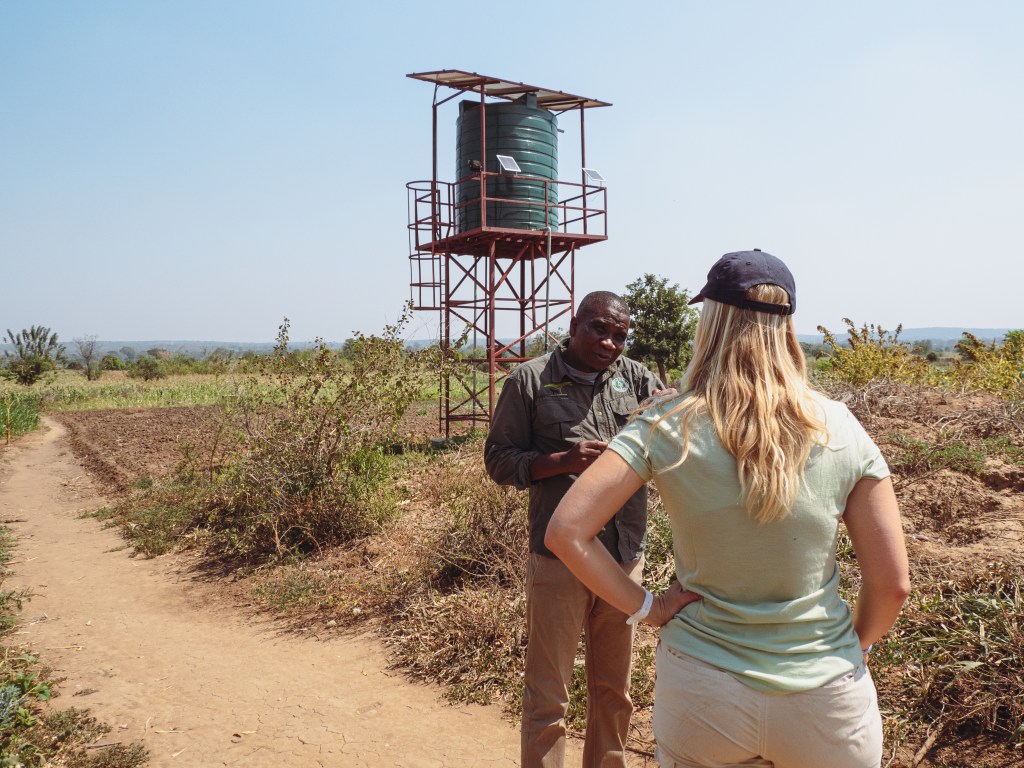
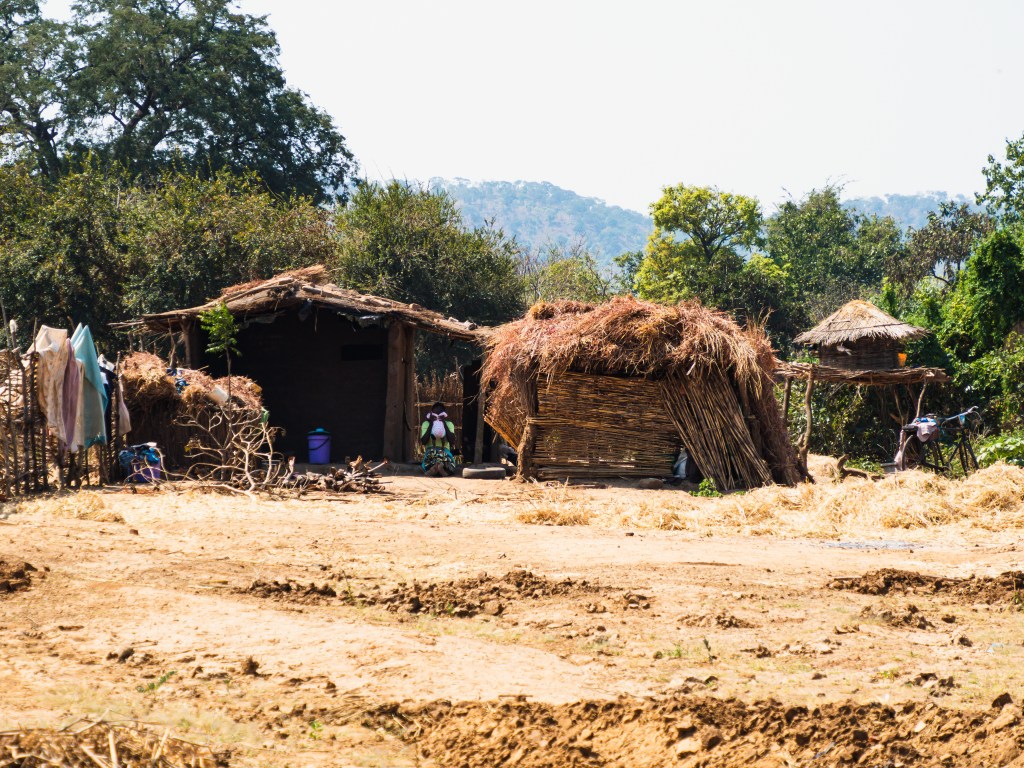

Our last stop for the day, was at an epicenter, containing a clinic, library, bank, … donated by an organization other than AP. We were just there to see the place and speak to the people. Just a month before they had celebrated becoming fully self-sustaining. I’m going to be brutally honest here (sorry), but this was my least favorite visit. There was more of a weird atmosphere. A bit awkward. Almost like they were putting on a show, just because we were there.
Anyway, we were shown around the place. Brand new computers: never used. Brand new books (in English): never used. A room with boxes to keep track of all the projects they did. Big boxes, yet not a lot of projects. There was literally 1 piece of paper in each box, haha. Very special. The playground was obviously a HUGE success (insert sarcasm sign here). I’m not trying to be negative or criticize the locals in any way. Maybe someone had just decided this is what they needed, without ever asking anyone. That’s how I experienced it, anyway.
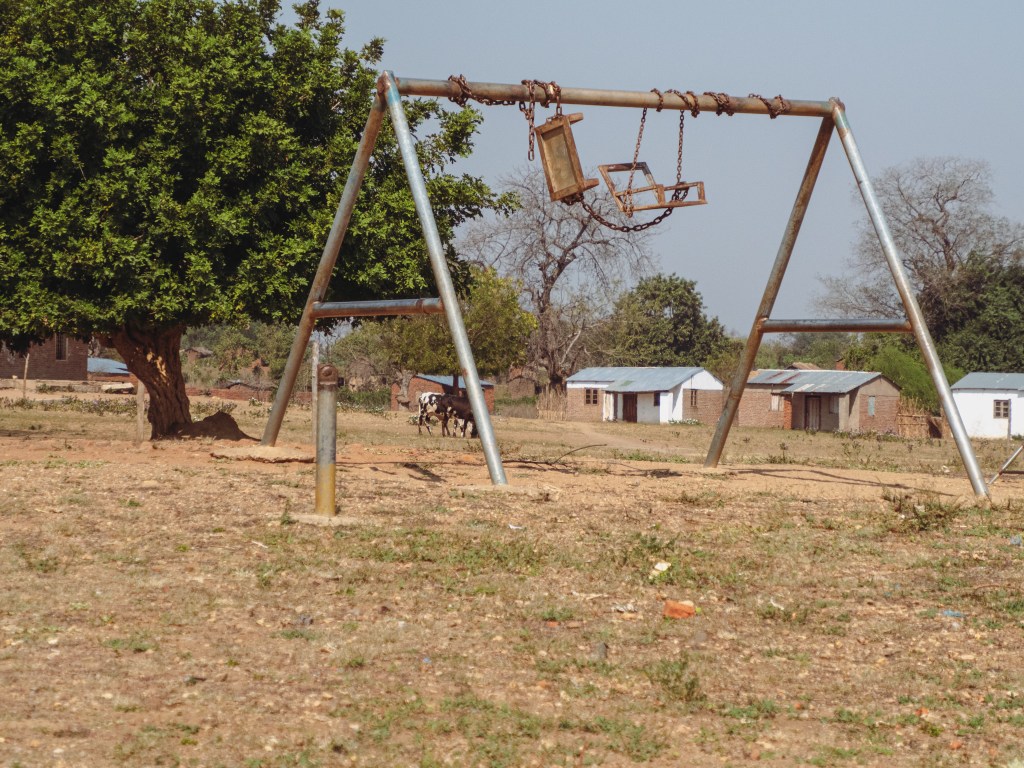

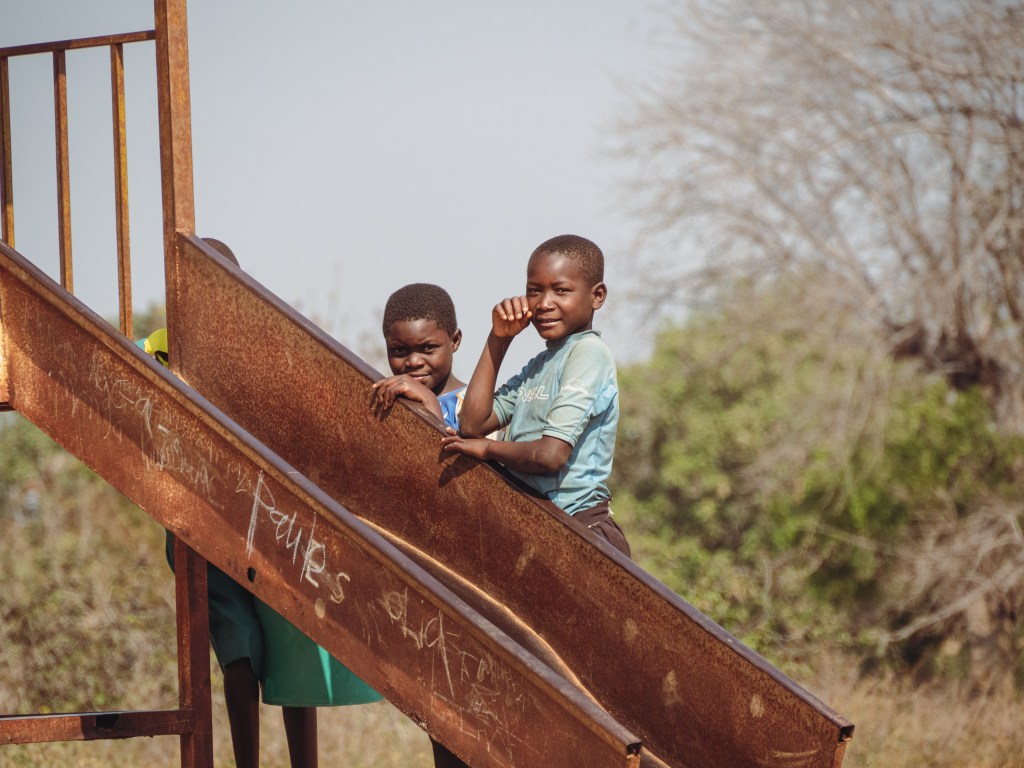
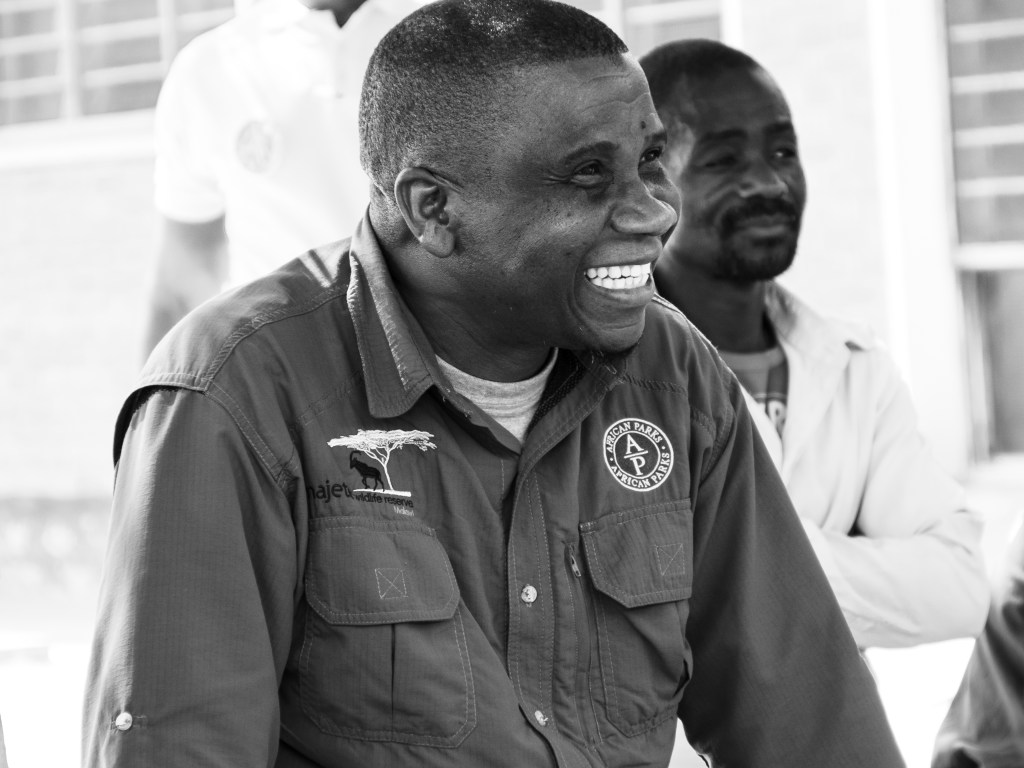
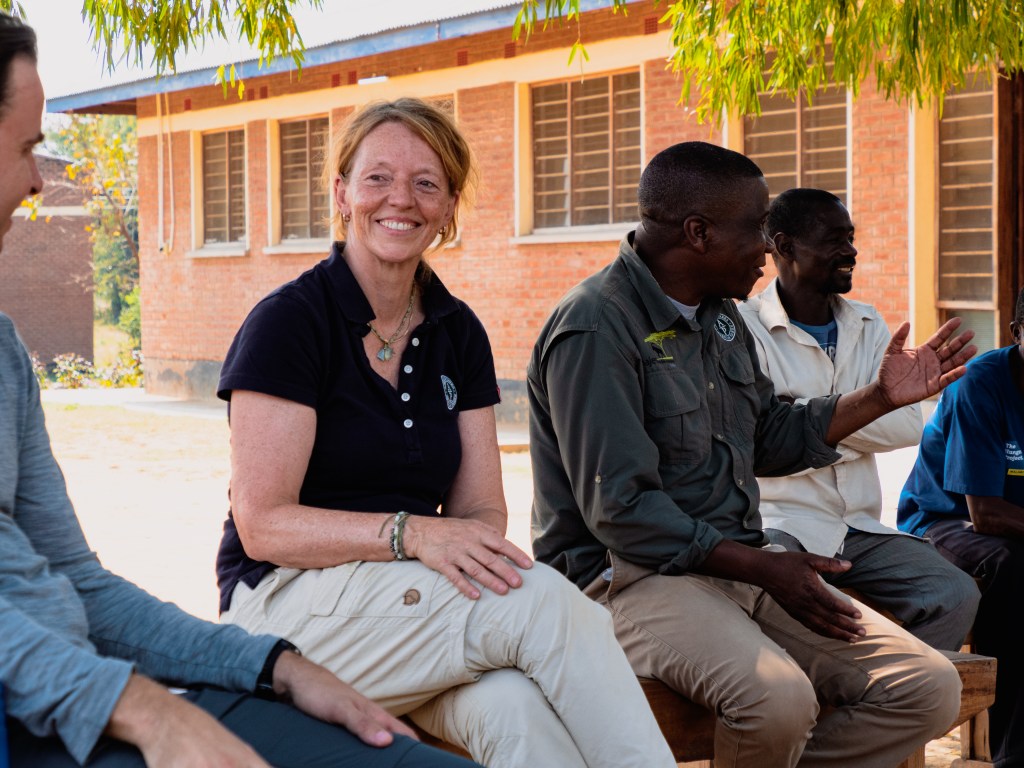
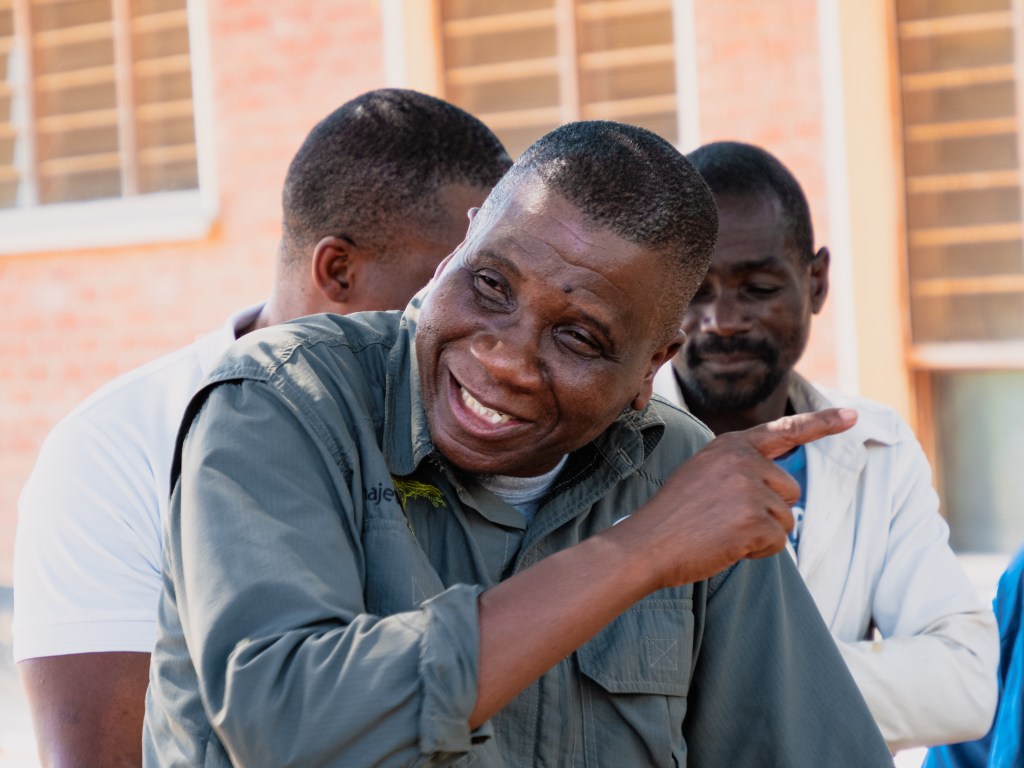
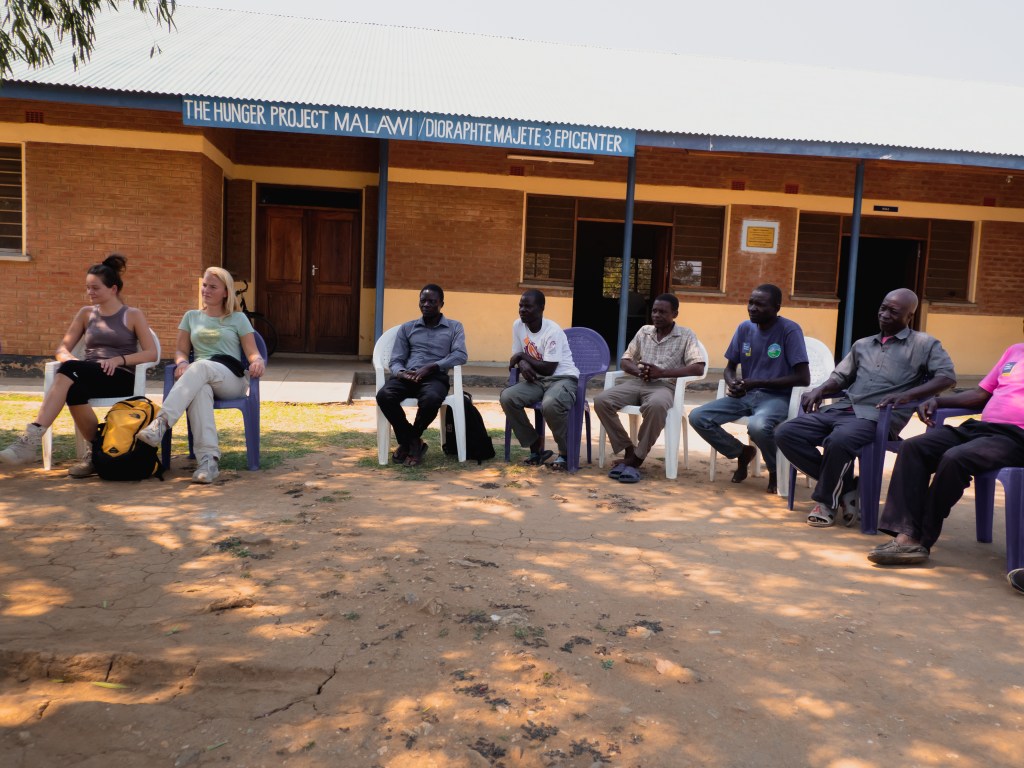


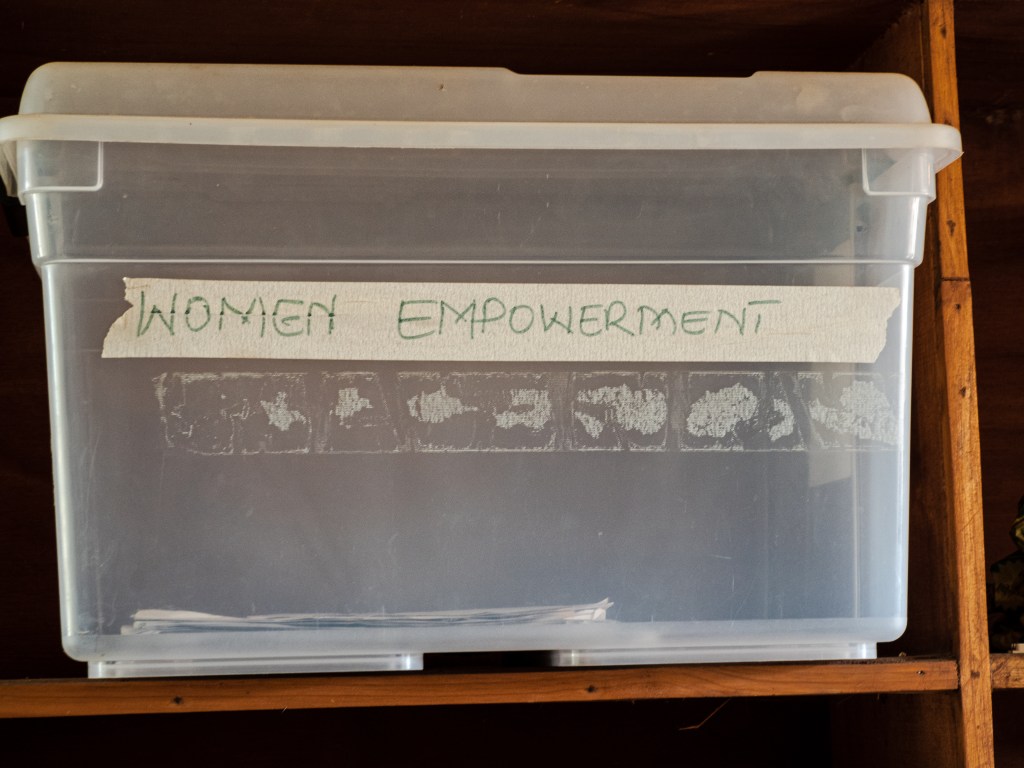
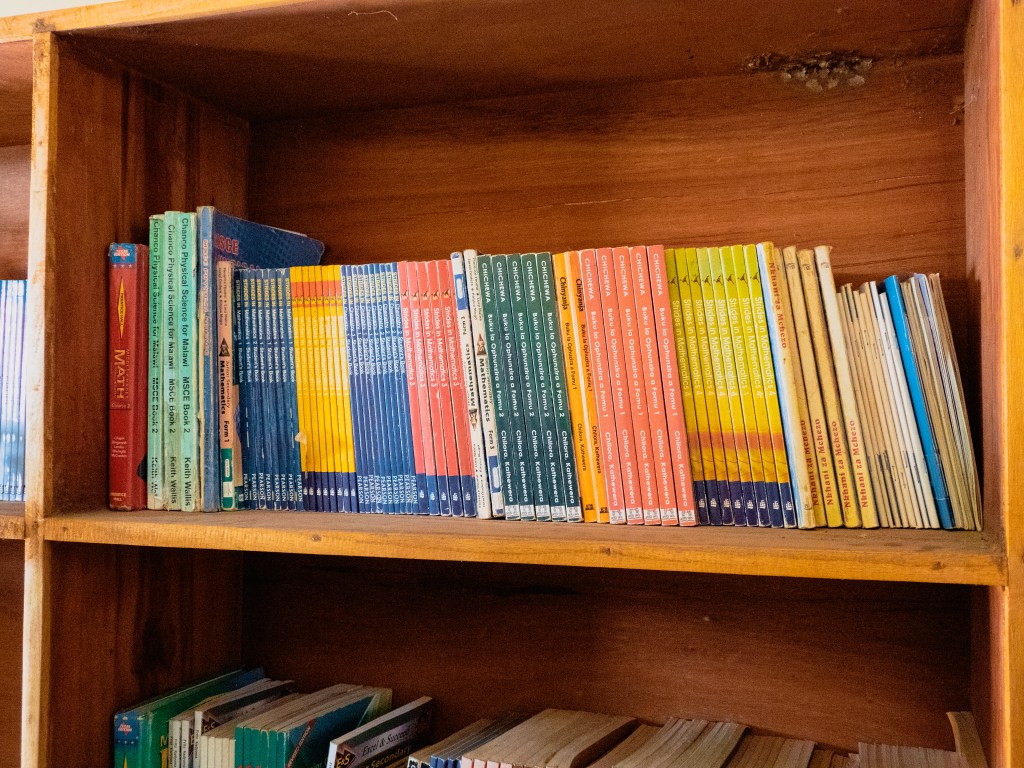

The tour of the clinic spoke book parts (#makethatthecatwise) for me. It was mostly used as a maternity ward. The pictures also kind of speak for themselves. What the pictures don’t say, is that there were posters about female contraception all over the clinic. When we asked about it, we were promptly shown an implant. Not in the box or anything, nono. The packaging was ripped open and the implant was completely wasted to show us what it looks like. Not exactly what we had in mind when we asked, haha. There was also a hole in the ceiling. When asked about this, it turned out the nurse was sterilizing some things in a pot (by boiling them). The pressure blew the lid off and it hit the ceiling, crumbling the ceiling and almost killing a baby as a result. Ah, clinics in Africa. Sounds like a real treat to have your baby here, doesn’t it.


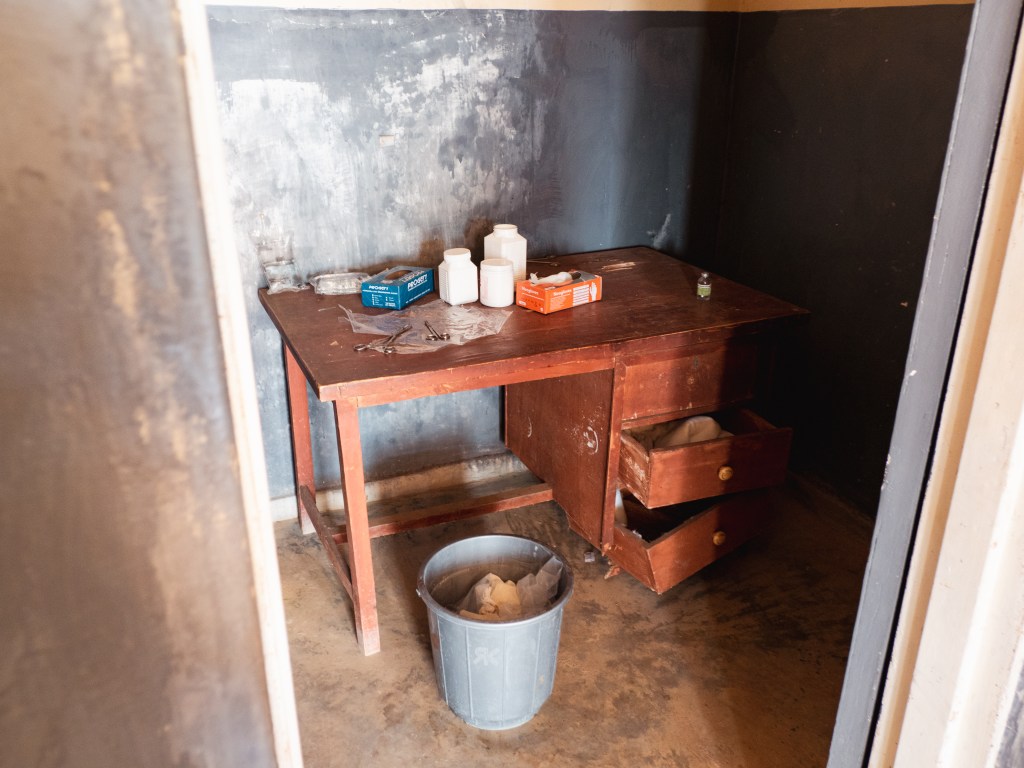

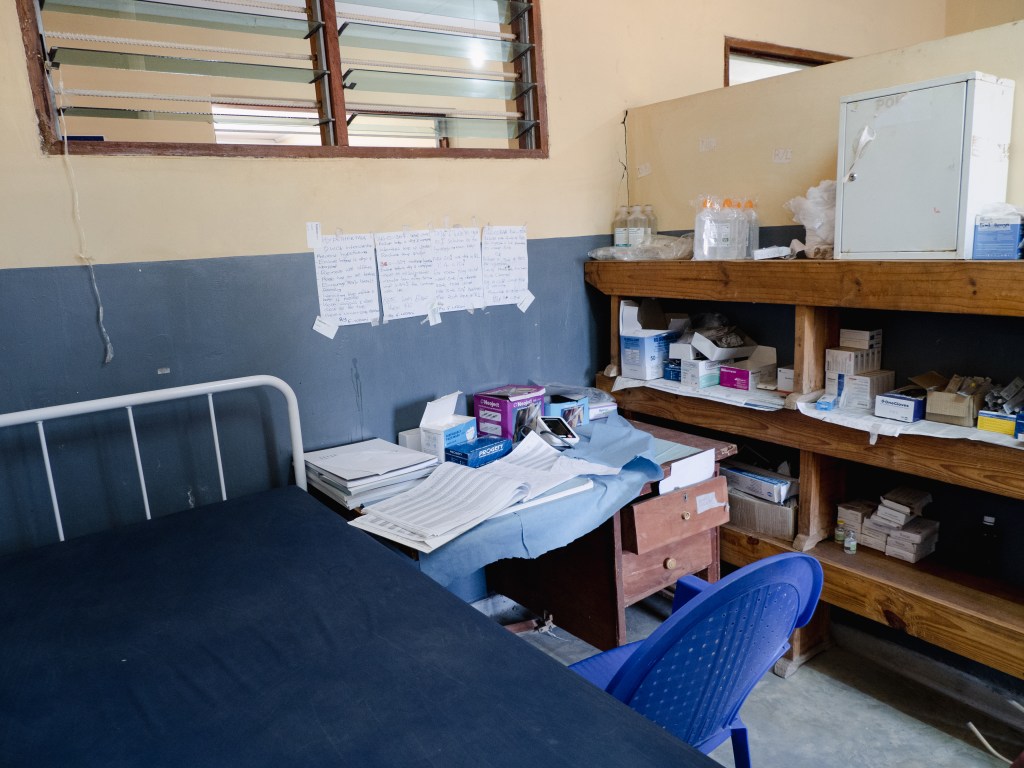
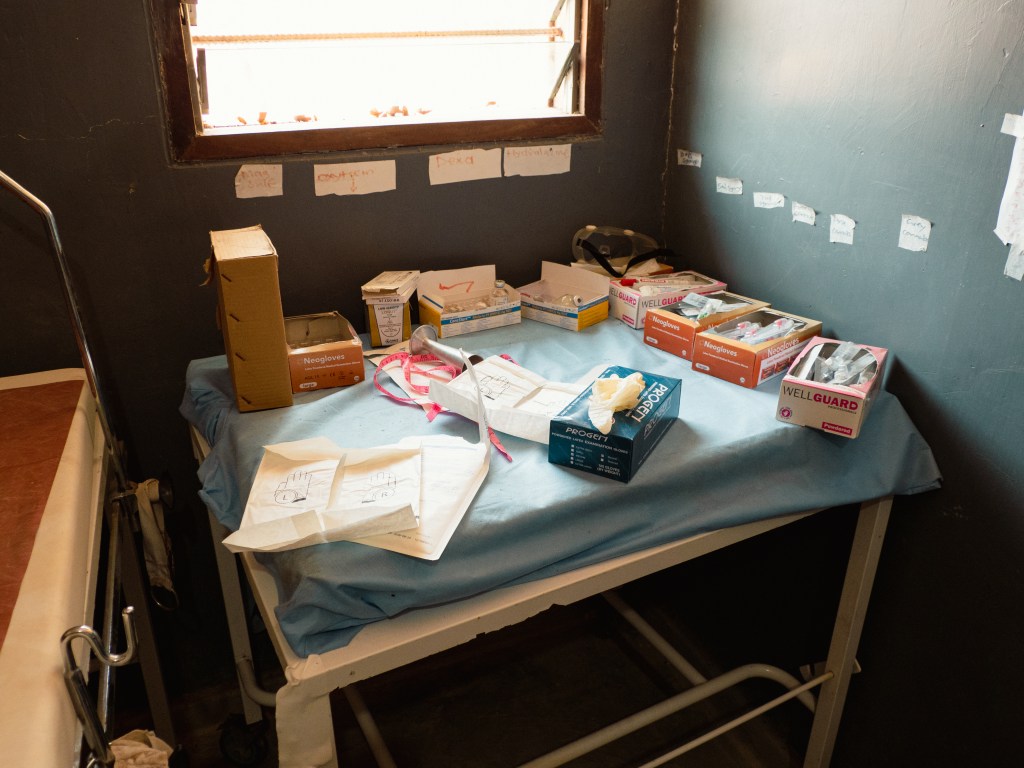


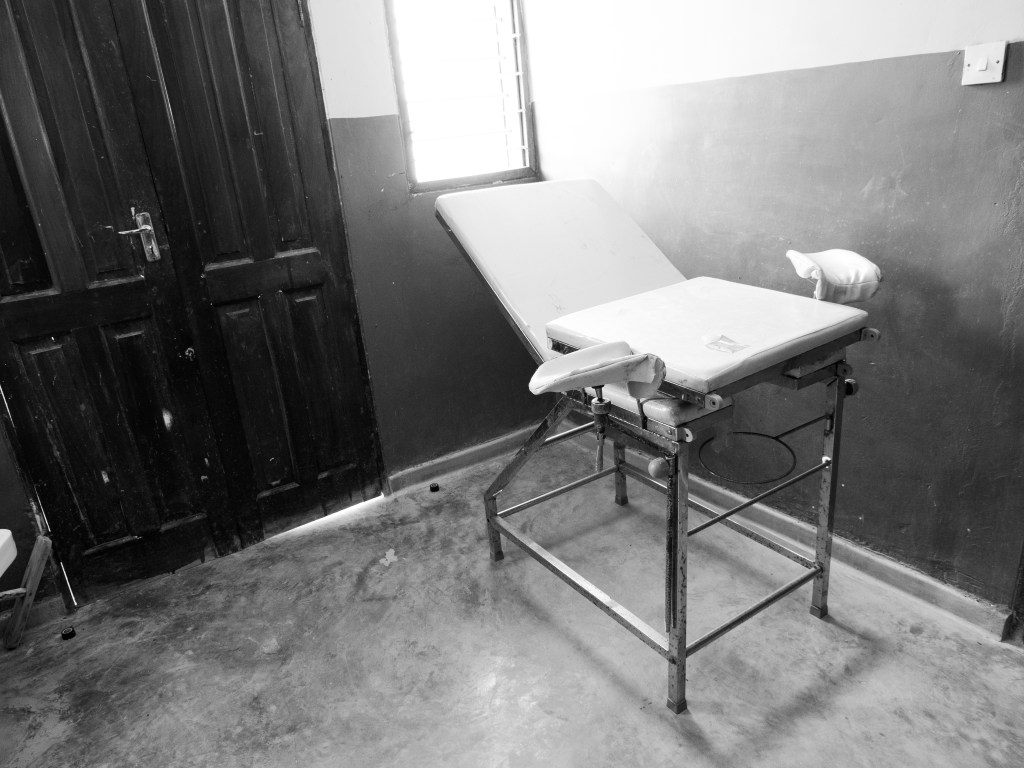

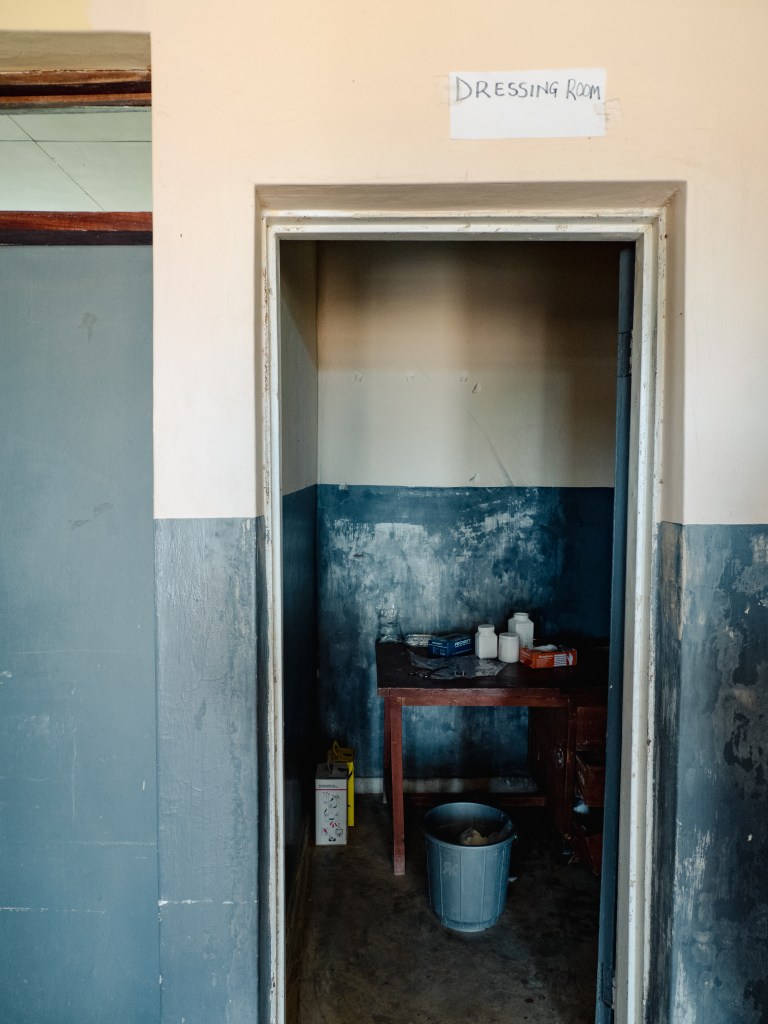

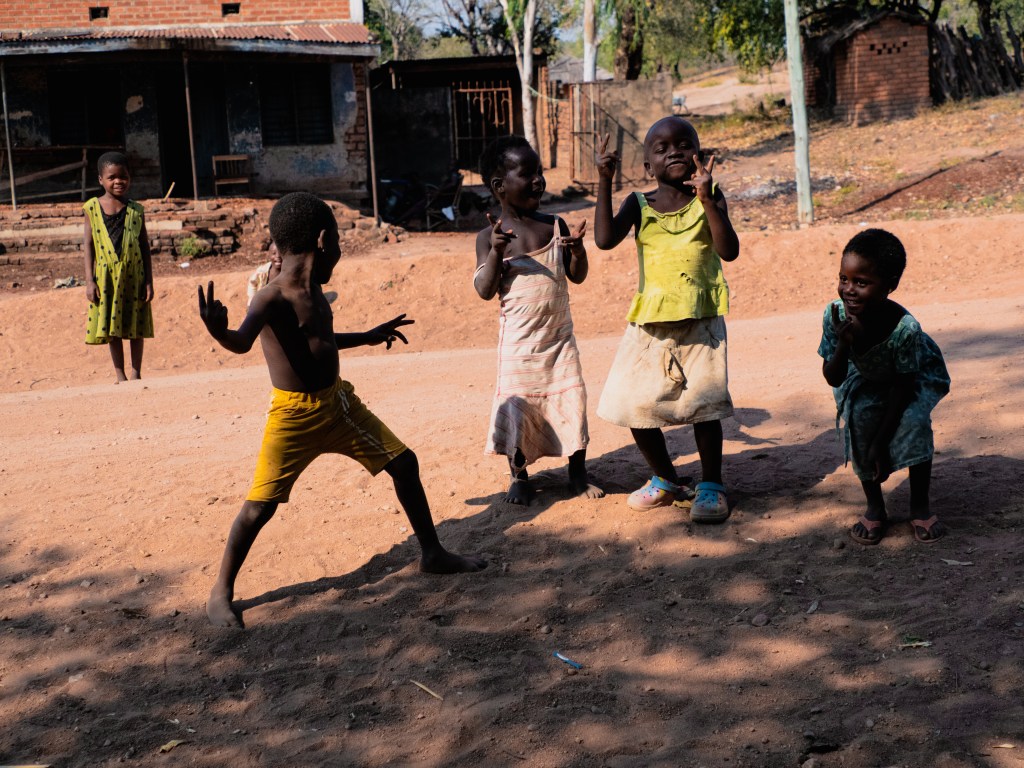
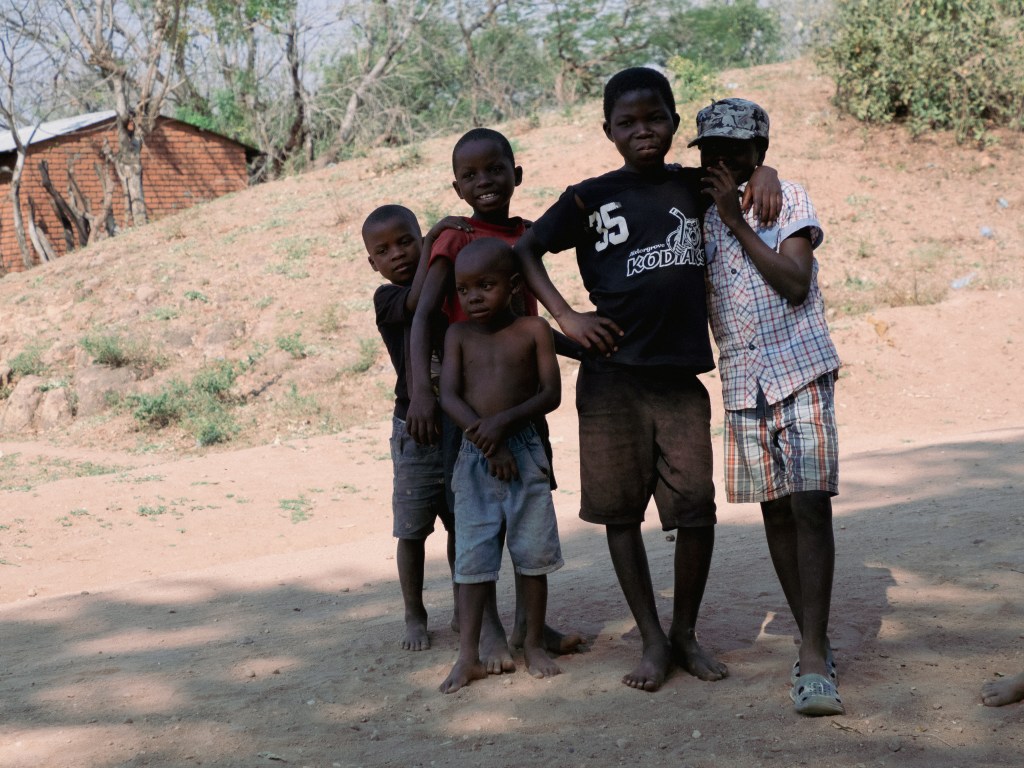
We left with a bit of a strange, uncomfortable feeling. But that’s also the reality of Africa. It’s not all rainbows and sunshine, you know. So even though it’s not what we were expecting, it does represent an important part of the local communities. On the way back home, we stopped at the side of the road for a small packed lunch. Lunch and a show for us, as local kids came and danced. Just a show for them, as 7 weirdos were standing on the side of the road, eating out of a box.


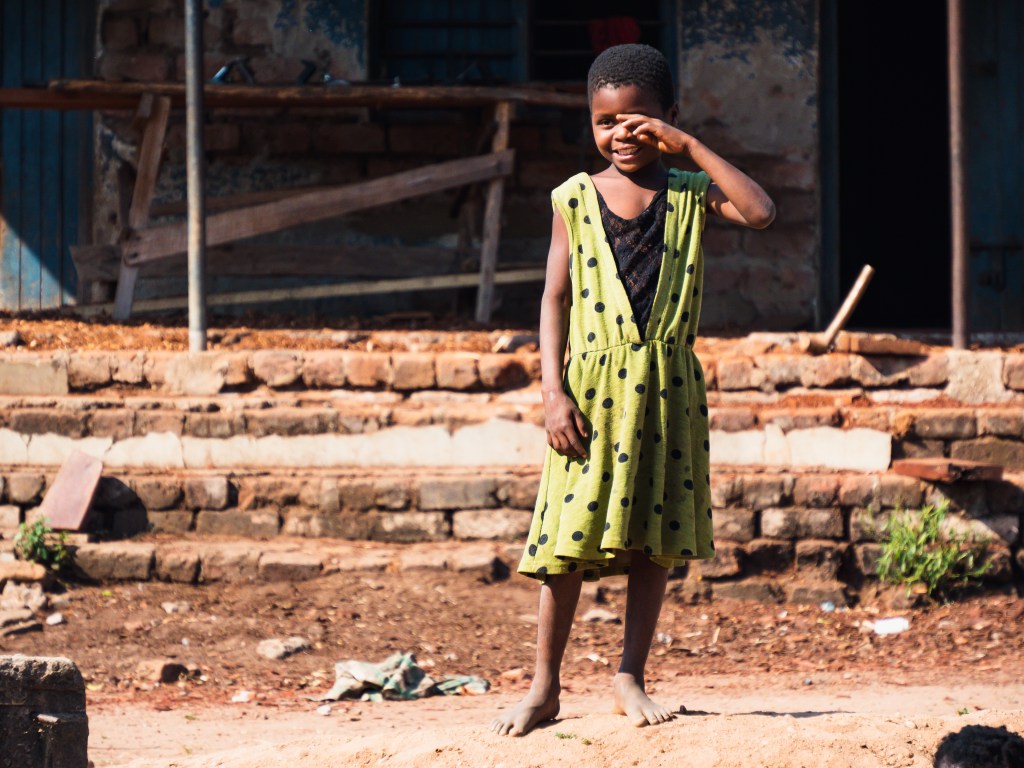


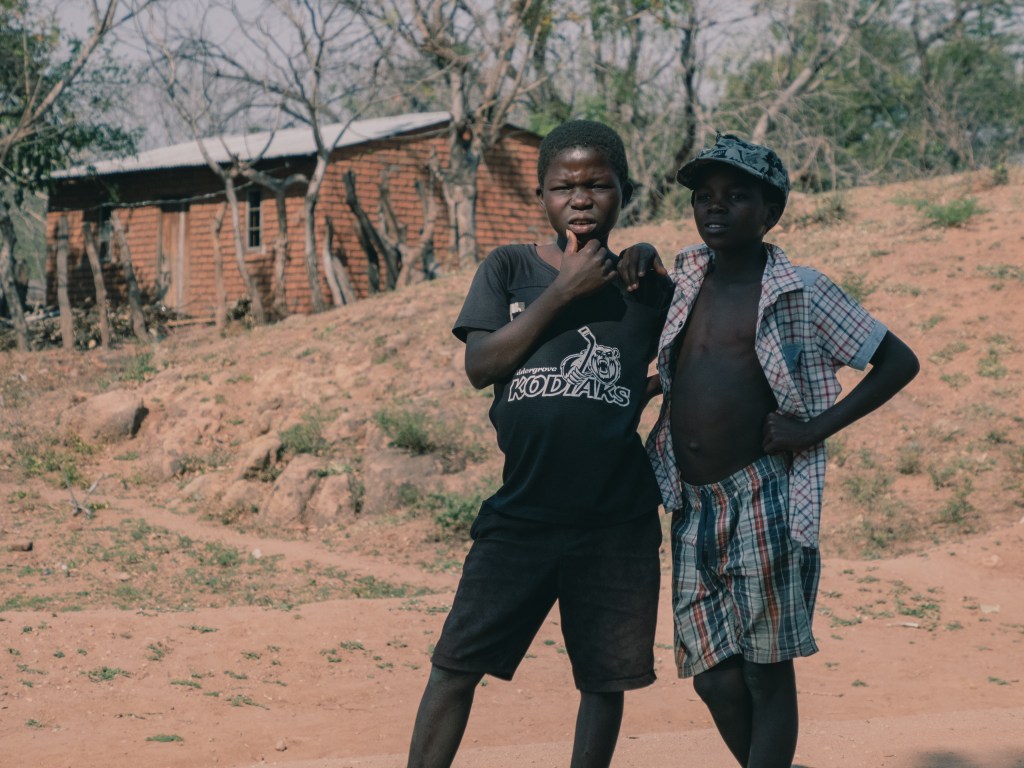

After a long day, we spent some well-deserved time at Thawale’s pool. Beautiful place isn’t it.


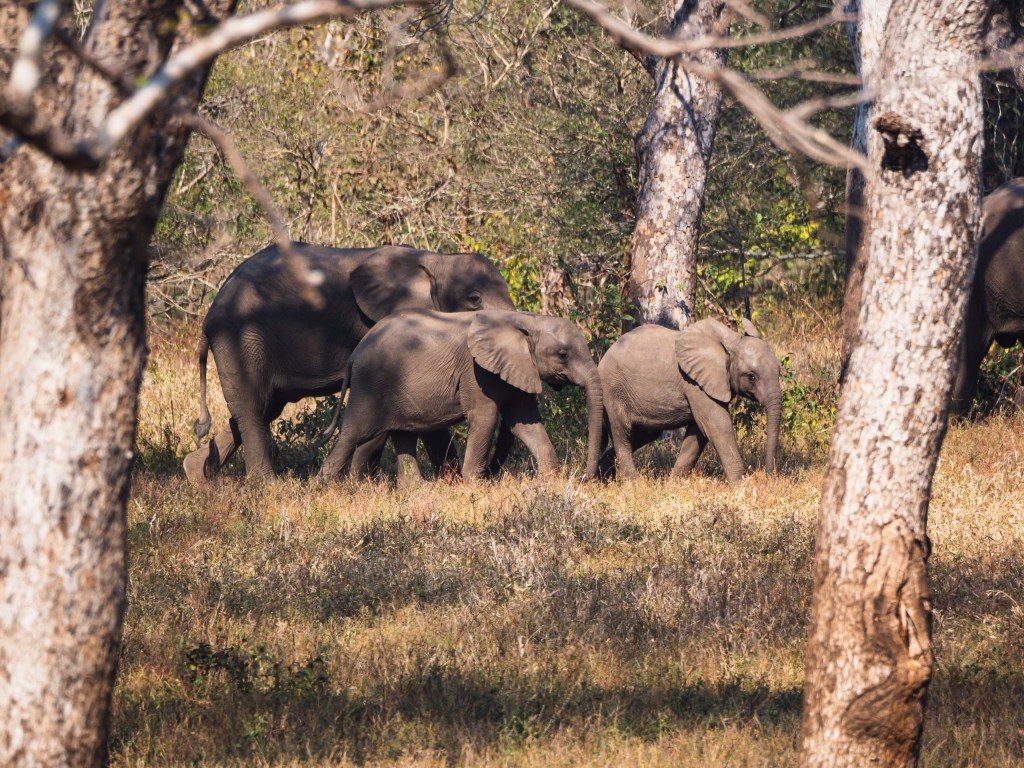
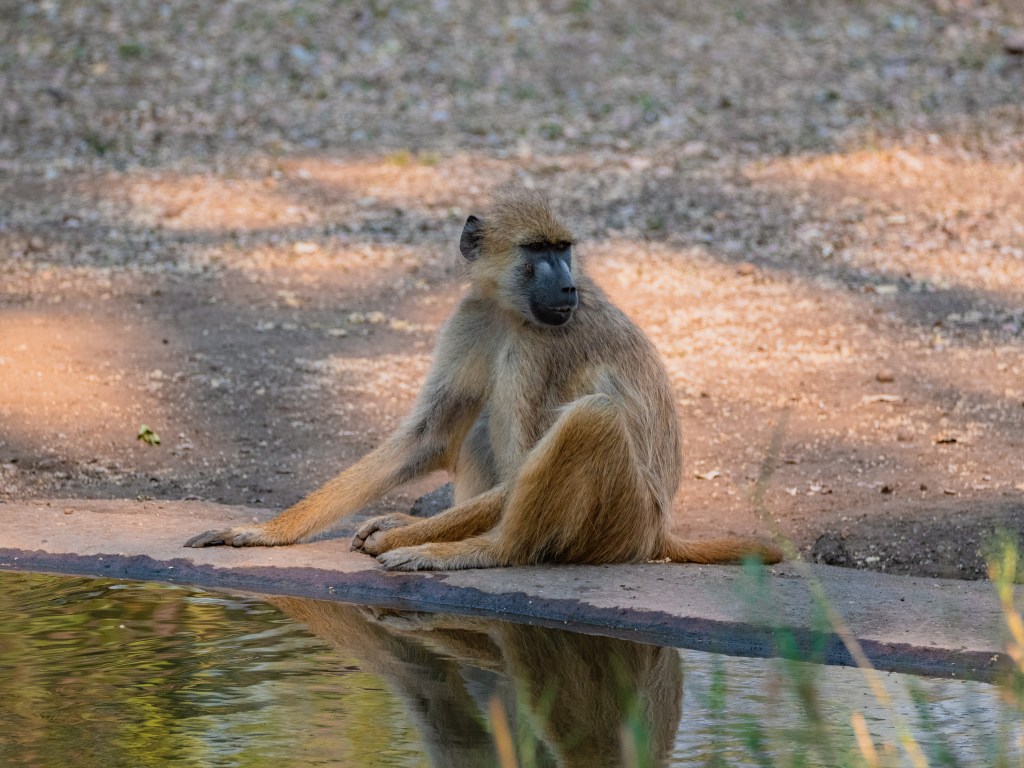
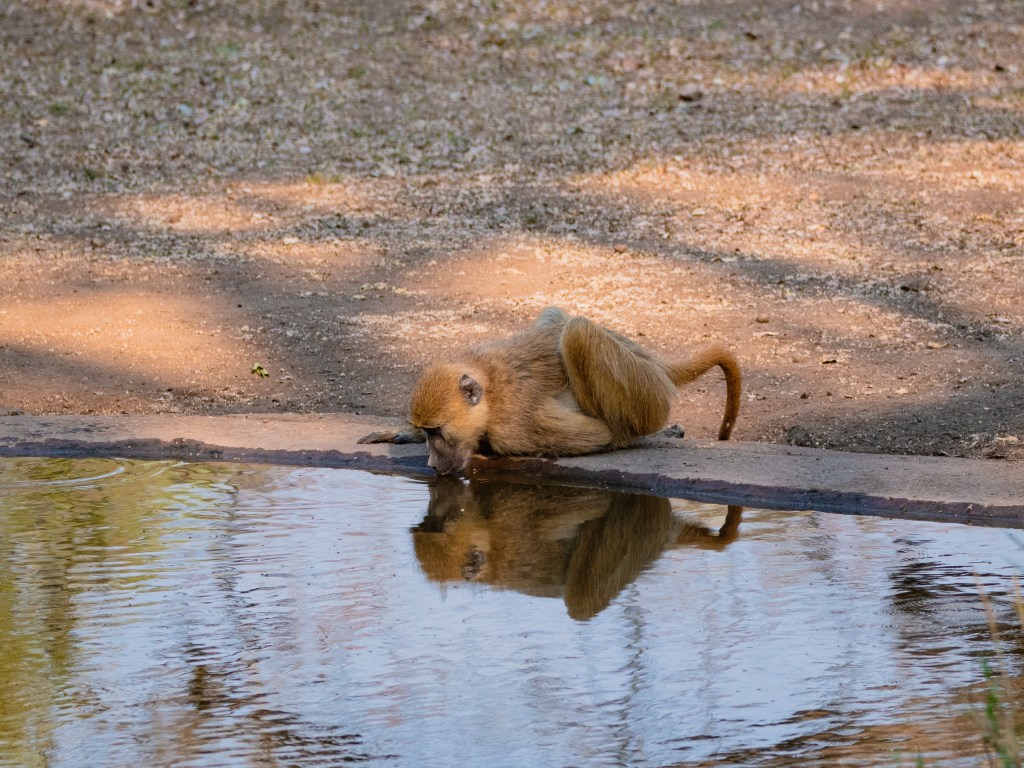
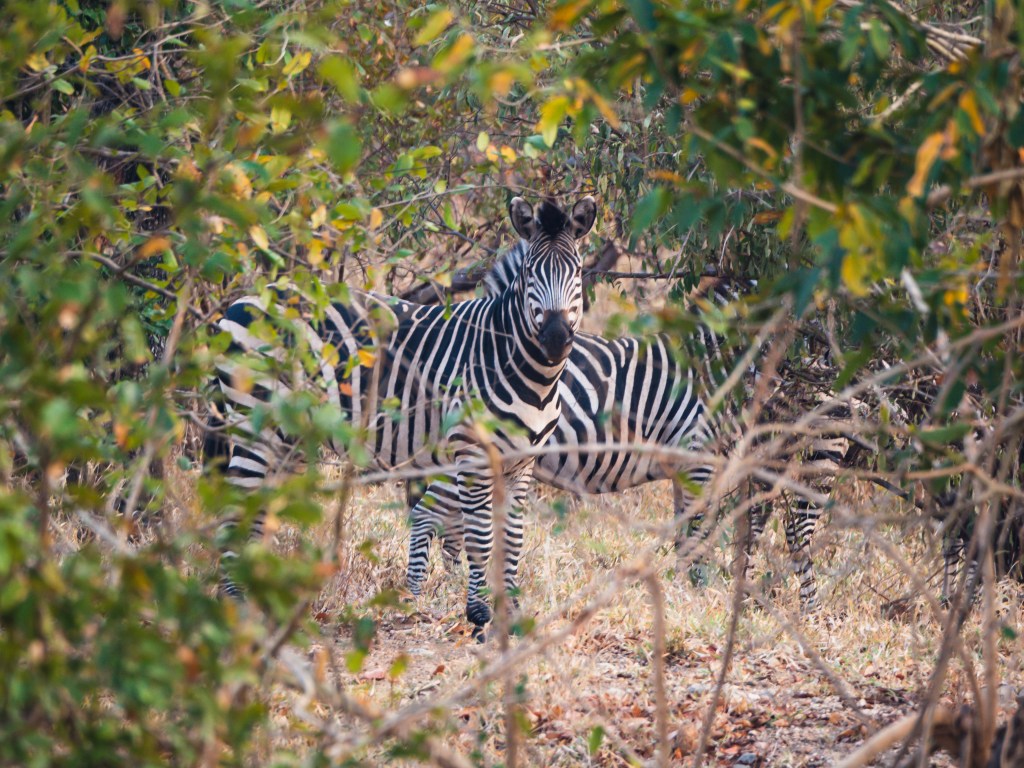
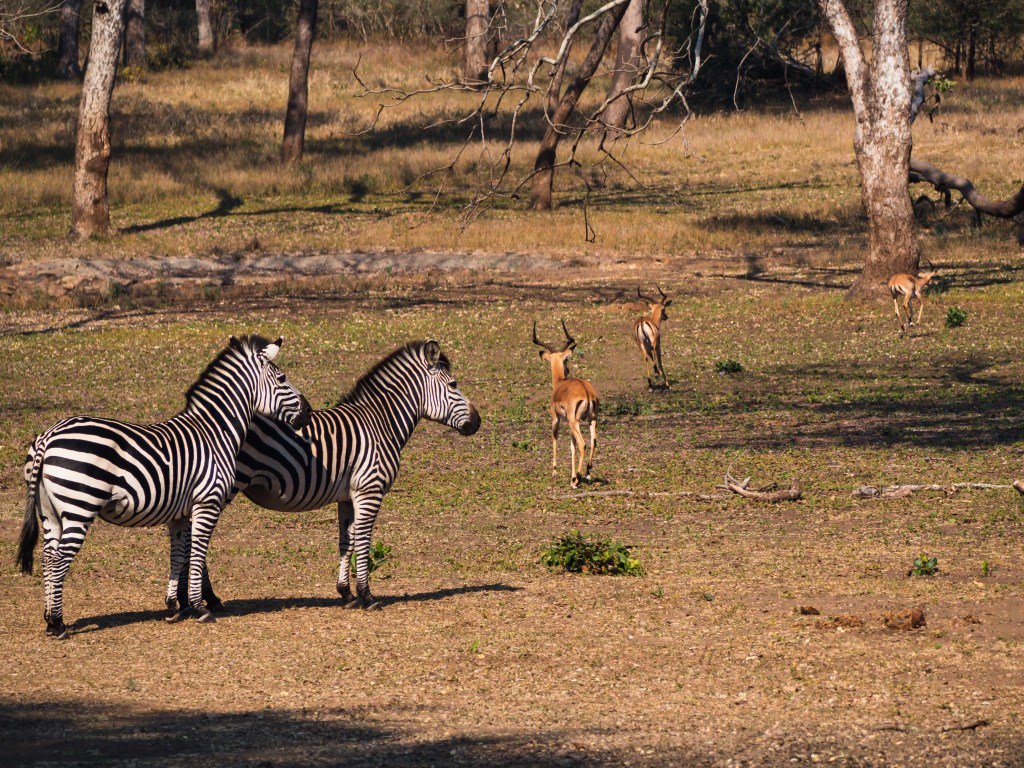
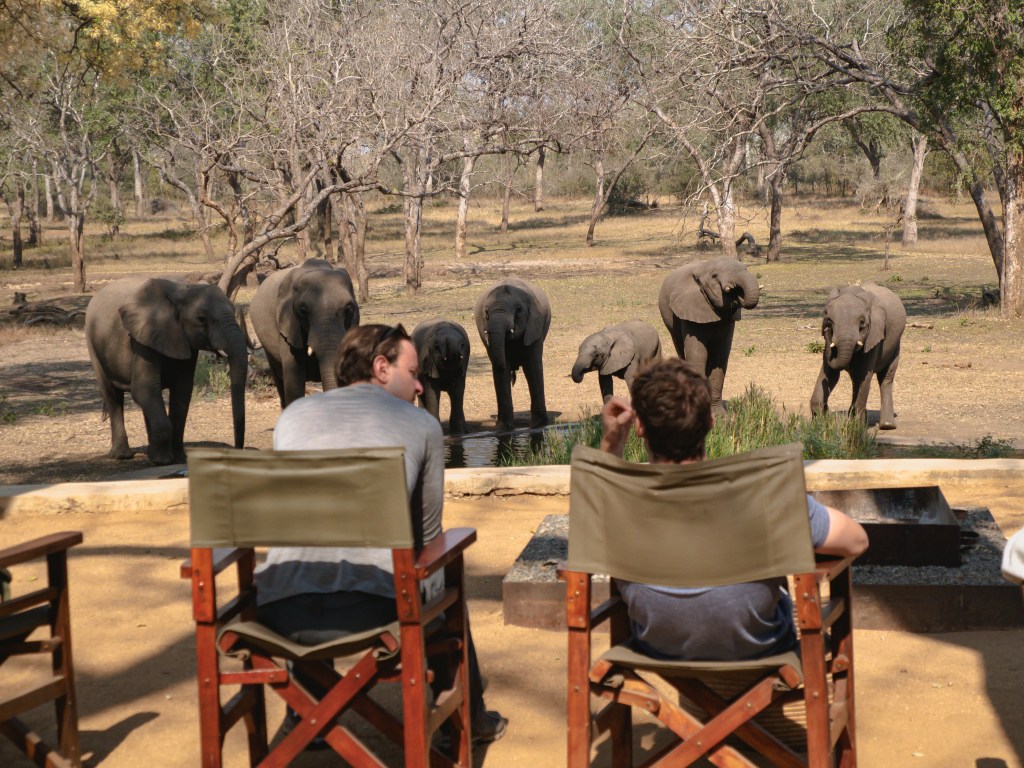
Thawale Camp also has a watering hole right at the edge. You don’t even have to go out on a game drive. You can just sit down and wait, and the animals will come to you. If you’re still reading, this is the moment you’ve been waiting for: PICTURES OF ELEPHANTS; And Baboons. We hate baboons. They’re creepy and gross. Even if you’re just here for the pictures: you’re welcome.






Day 3 – Looking for Matt
Dear diary. Today was a very special day. We set out with Rosie, Liwonde (our guide), and 2 rangers to go look for Matt. Matt isn’t just anyone. Matt is one of the park’s cheetahs. Matt was sick for a while and Rosie hand-fed him. As a result: Rosie can approach Matt on foot and sit next to him. WE WERE GONNA SIT NEXT TO A CHEETAH, Y’ALL!!!!
As Matt wears a collar, Rosie brought a tracking device. We set out to the south of the park to go look for Matt – on foot (just to clarify – we DROVE to the south of the park and then set out on foot). The hunt for Matt was on.

Full disclosure: we didn’t find Matt. That’s nature, right? Matt was just not in the mood to see us. But the day was NOT wasted. We had a lovely walk, which was a nice change from ass those African massages we’d been getting. Sitting in a car all day is exhausting, fieeeuw.
On the way back, we also saw a lot of wildlife. I’ll just leave the pictures here. Because let’s face it: that’s why you’re here in the first place. “Enough with the rambling, Fi, SHOW US THE PICTURES”. I can hear you say it from here, you don’t have to shout. I’m almost done, I swear.


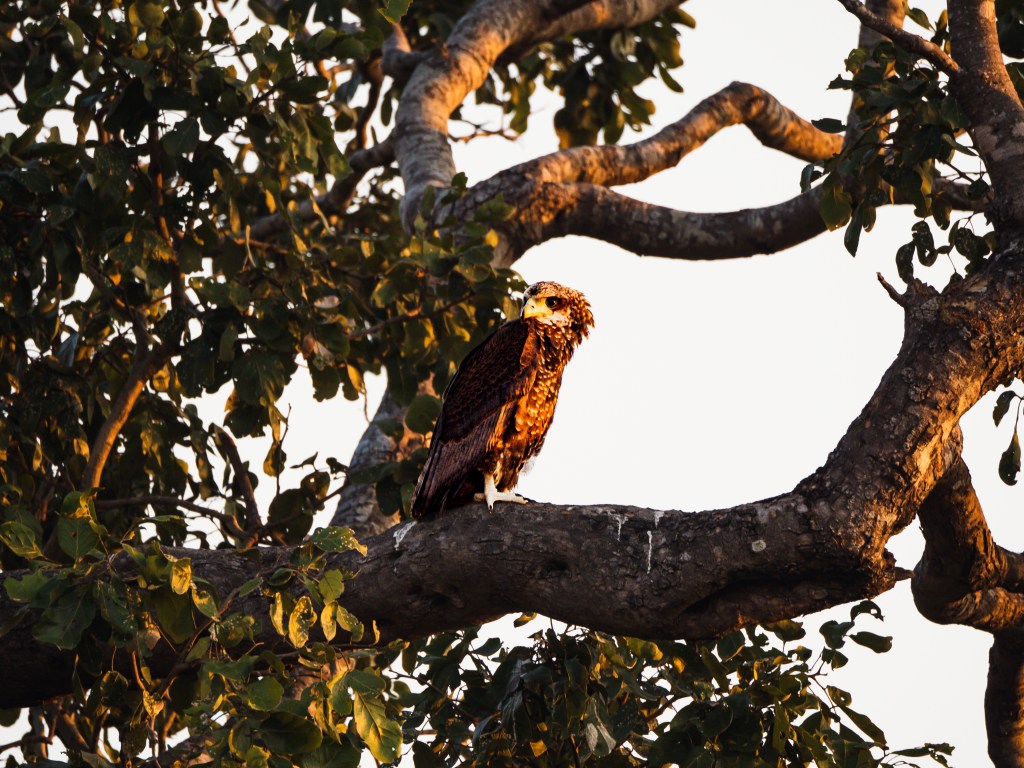
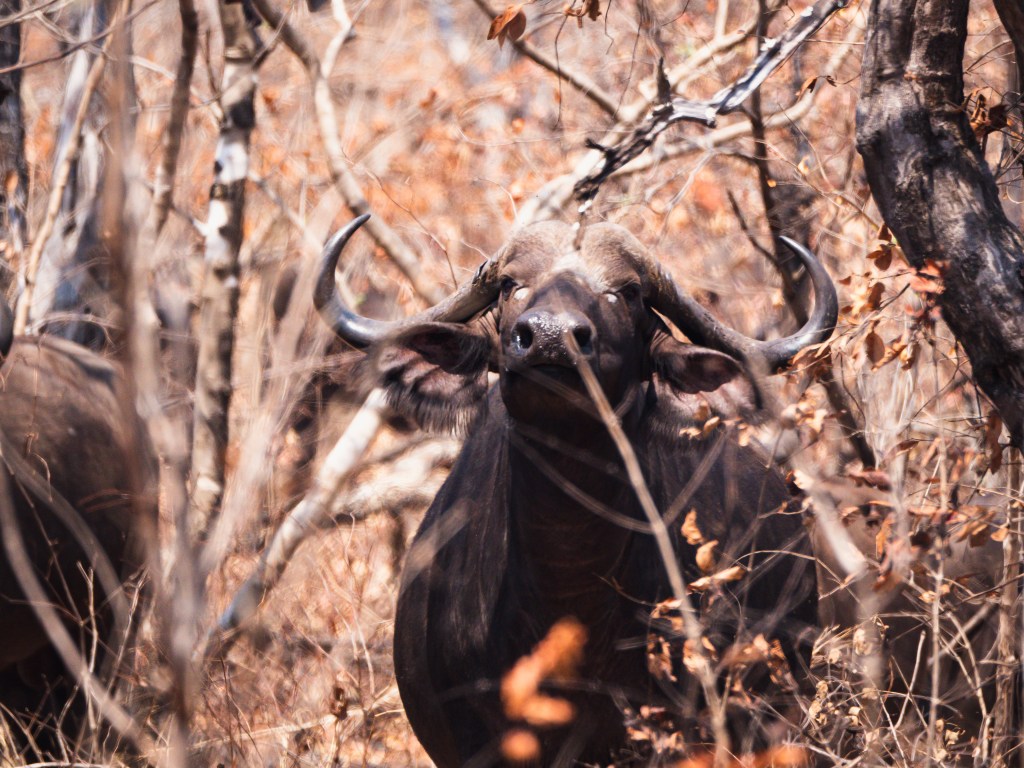

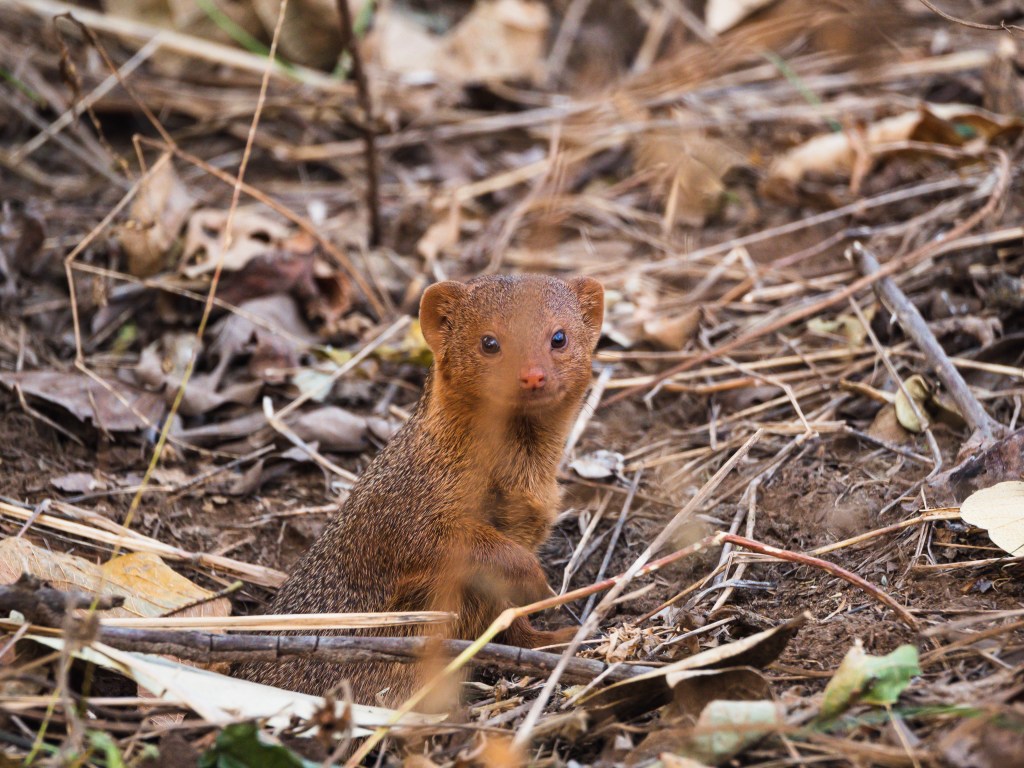

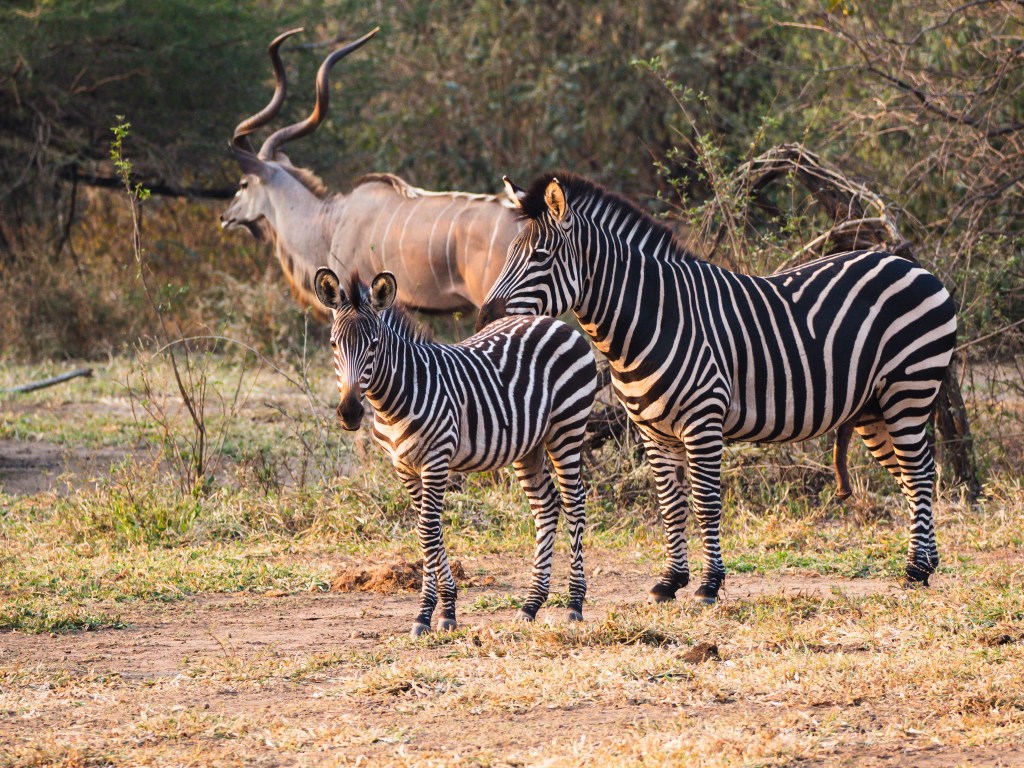
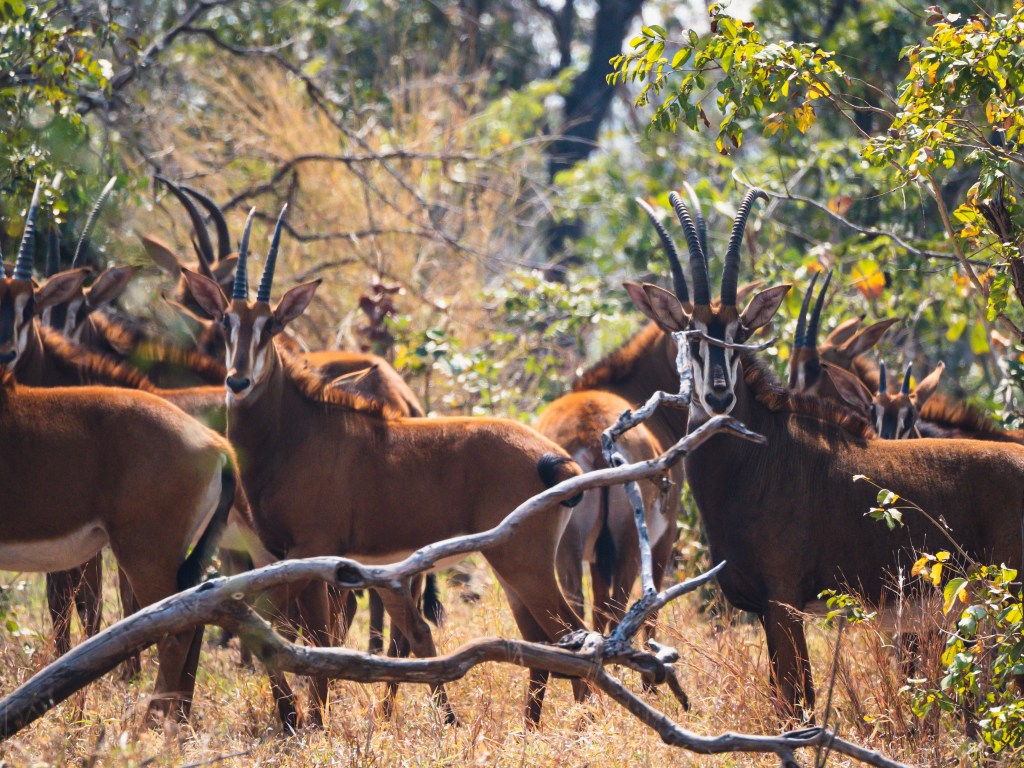

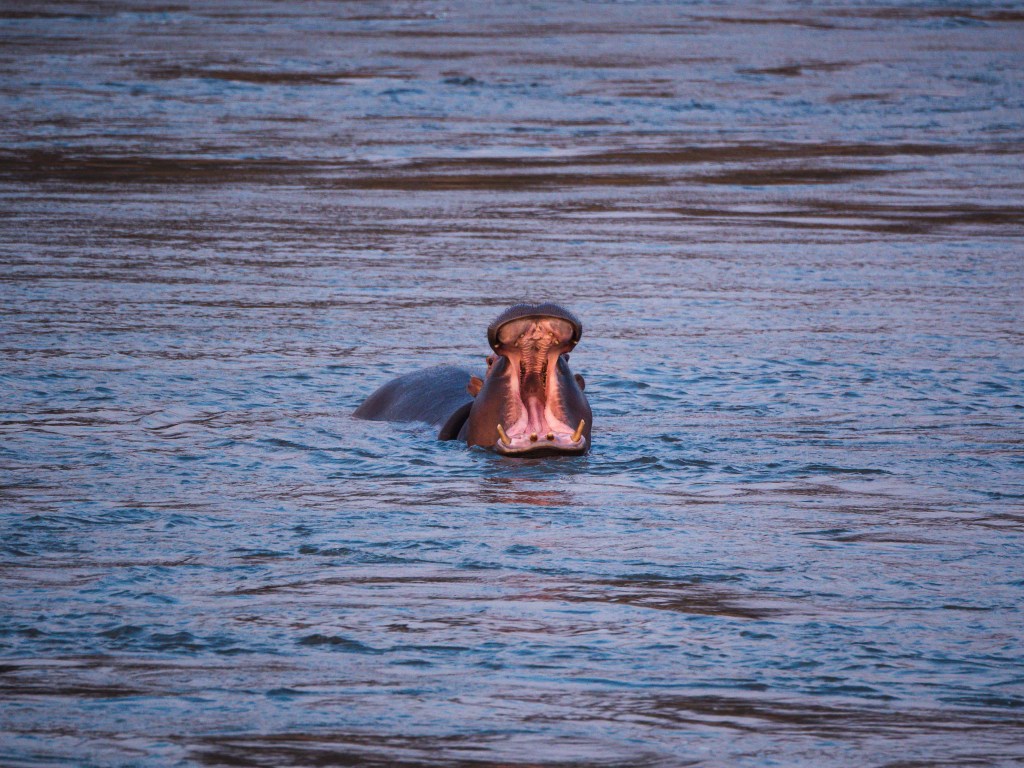
After we got chased by an elephant, we headed back to the camp. BUT, what we didn’t know, is that they had a surprise waiting for us. Local people had come to sing and dance for us. Including a “gule wamkulu“. And when I say “a”, I mean 3. There was a crocodile and a lion and a bird. I’m not sure how to explain it, other than “special”. They’re a sort of spirit. And since my night-time photography needs a lot of work, I don’t even have a picture to show you. Let’s just say there was a dude in a crocodile suit dancing on his elbows and knees, a sight I will never forget, ever. I’ll just drop this very dark video of local women dancing here. It was a beautiful night.
Sophie to the rescue, and not for the first time this trip. She managed to get some Gule Wamkulu footage. I hope the description of “dude in crocodile suit dancing on his elbows and knees” does it justice. You decide.
As this was our last night in Majete, we had dinner with everyone. All the AP staff came to dinner so we could annoy them with all of our questions. I’ll take this moment to thank them for putting up with us, showing us around, and sharing your passion for Majete with us. To Rosie: we’re happy you found Matt in the end. From the bottom of our hearts: thank you all, for everything. You really did make it an unforgettable visit.
Somewhere during the week, we had sundowners on a hill to watch the sunset. Let’s pretend it was on the last night, too, just before dinner. Just to make it even more special than it already was.

As somehow, this blog has gone on for a lot longer than I’d anticipated, and you’re now bored out of your minds, wondering how long I’ll ramble on for, I’ll stop here. We ended our beautiful visit to Majete with some well-deserved giraffes, just as we were headed out, towards the next stop of the trip: Liwonde National Park.
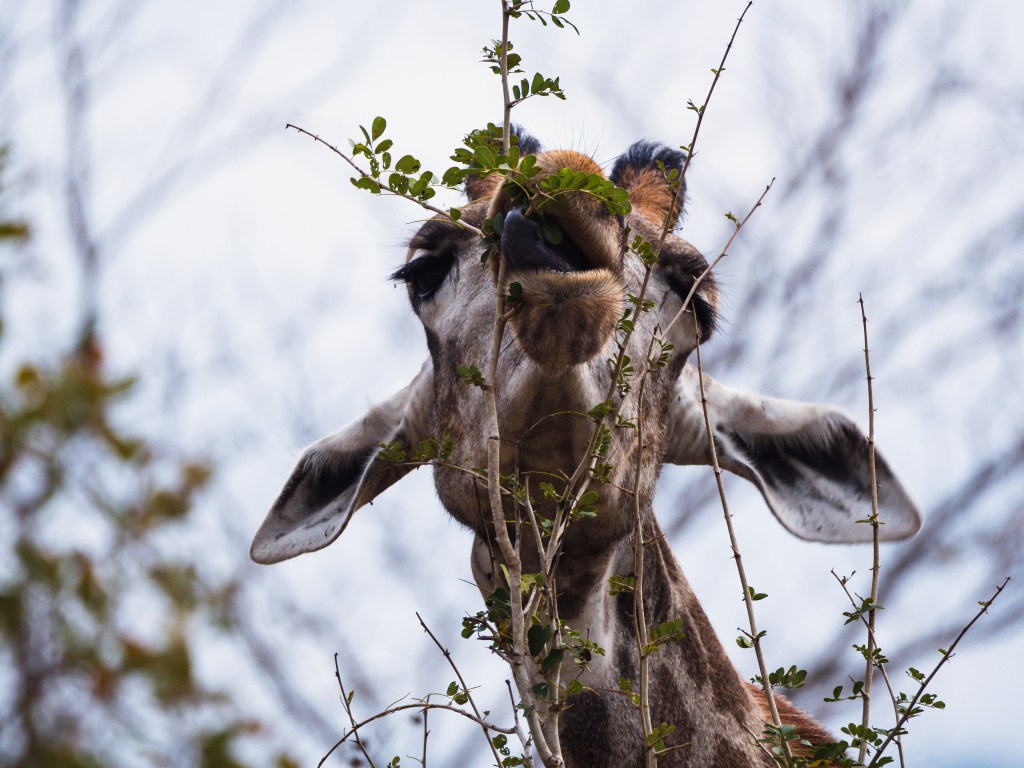
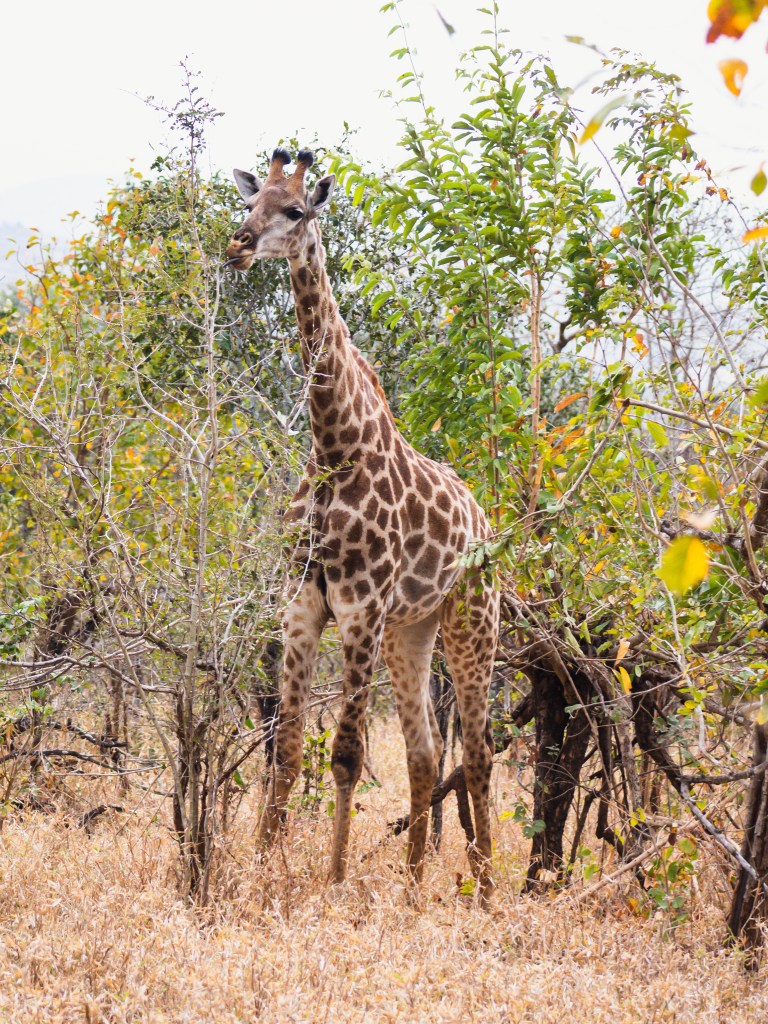
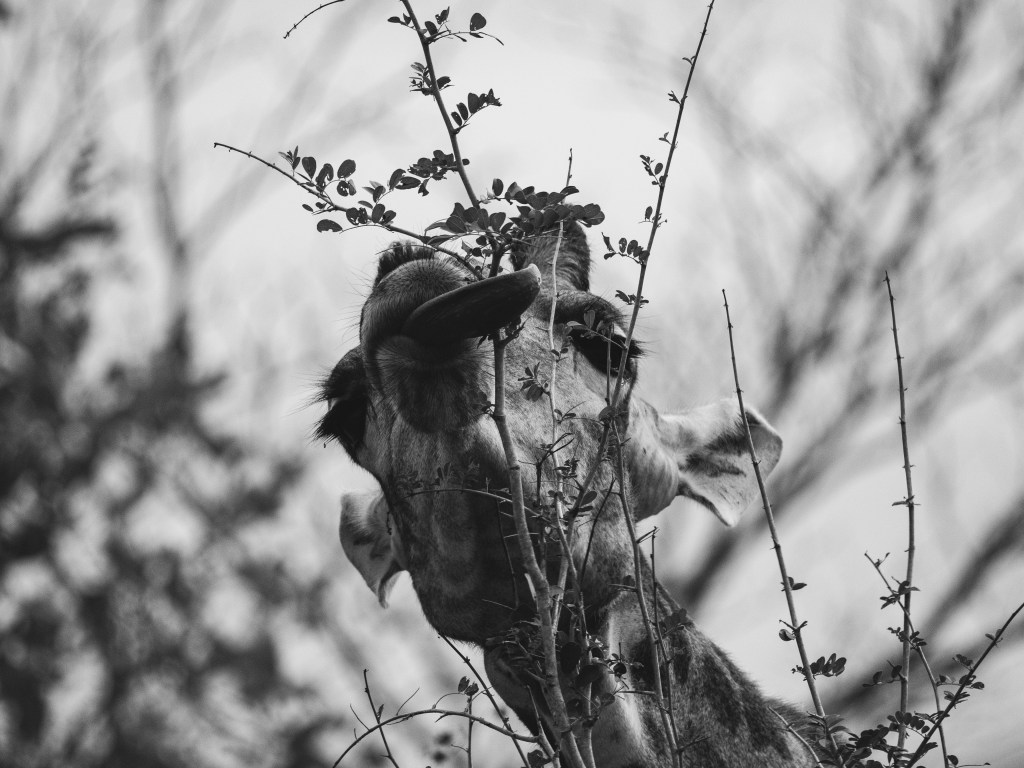
Stay tuned, as I’m not done just yet. In about 4 years’ time, I’ll publish a post on the second part of the trip – Liwonde.
Thank you, Majete. We had a blast.
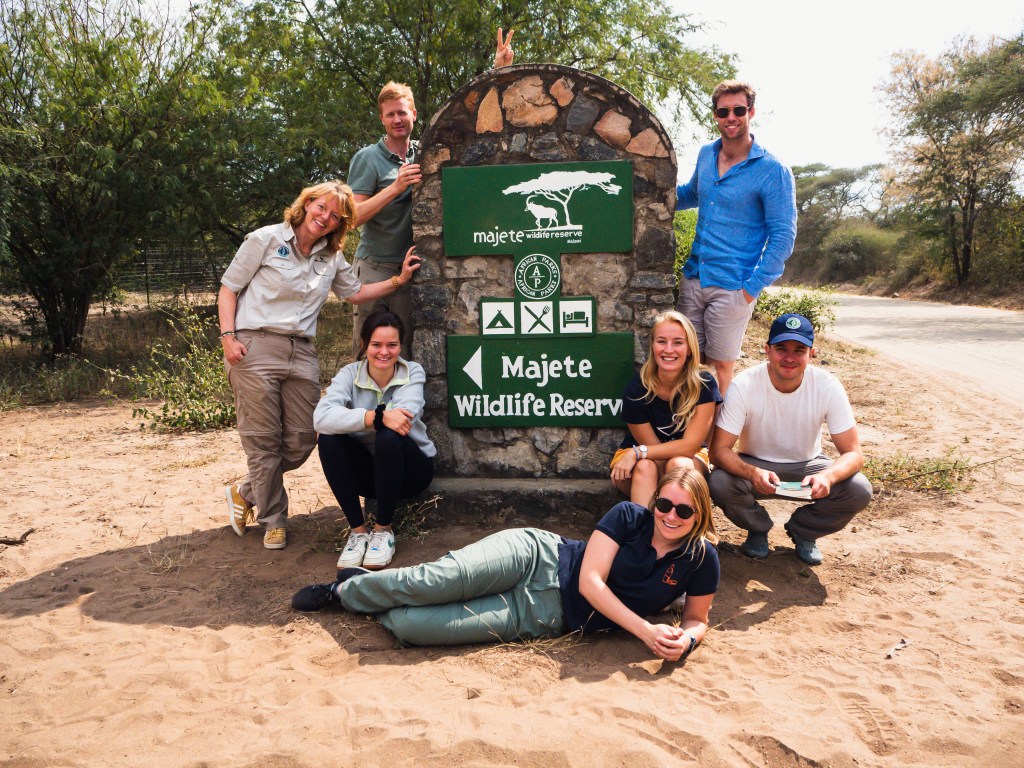
Lots of love
Fi

 Far Away Fi
Leuk, goed verhaal. Jammer van de honing. Je moet terug daarvoor en de luipaard zoeken.
LikeLike